GRP Handrail

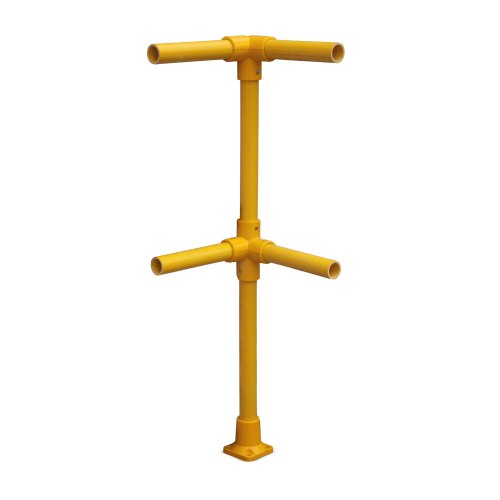
GRP handrails are lightweight, corrosion-resistant safety systems made from Glass Reinforced Polymer. Designed as an alternative to traditional steel, aluminium and timber handrails, GRP is particularly suited to industrial and commercial environments where durability, low maintenance and resistance to moisture, chemicals or harsh conditions are required.

Read more

GRP handrails are lightweight, corrosion-resistant safety systems made from Glass Reinforced Polymer. Designed as an alternative to traditional steel, aluminium and timber handrails, GRP is particularly suited to industrial and commercial environments where durability, low maintenance and resistance to moisture, chemicals or harsh conditions are required.

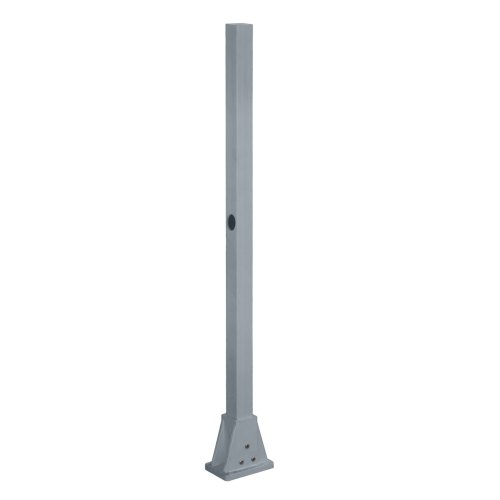
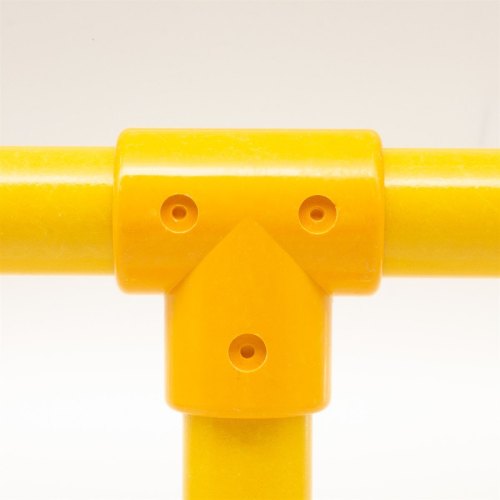
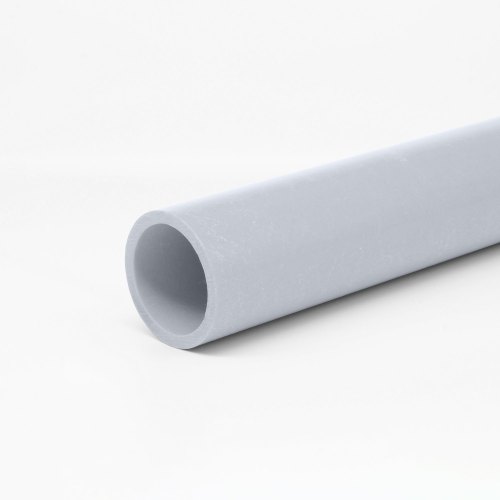
BM Steel supplies modular GRP handrail systems made up of compatible rails, posts, joints, clamps and base plates. The components are designed to fit together to create complete handrail and guardrail assemblies for walkways, platforms, stairs, pedestrian access routes and other safety applications. As a UK GRP handrail supplier, BM Steel stocks a wide range of components for both new installations and extensions to existing systems.

GRP handrail systems are lightweight and straightforward to fabricate and install, with no welding or painting required. The material does not rust, has low electrical conductivity and is warm to the touch compared with metal alternatives, making it suitable for exposed environments and applications near electrical installations. GRP components are also impact resistant and can withstand exposure to a wide range of chemicals.

BM Steel stocks GRP handrail tubes, fittings, joints and base plates in a range of configurations to suit different layouts and access requirements. Round handrail systems can be used across horizontal, inclined and multi-directional installations, including industrial walkways, platforms, staircases, plant access areas and perimeter safety systems.

Why choose GRP handrails?

  • Corrosion resistant: GRP does not rust, making it suitable for wet, marine, chemical and outdoor environments.
  • Lightweight: GRP components are easier to transport, handle and install than many traditional metal alternatives.
  • Easy to install: Modular GRP handrail systems can be assembled without welding or painting.
  • Low maintenance: GRP does not require regular painting or protective coatings to prevent corrosion.
  • Non-conductive: Low electrical conductivity makes GRP suitable for many applications around electrical infrastructure.
  • Warm to the touch: GRP has low thermal conductivity, helping handrails remain more comfortable to hold than metal in extreme temperatures.
  • Impact resistant: GRP components provide a durable solution for busy industrial and commercial access areas.

Contact the BM Steel team if you need help selecting GRP handrail components for an onshore, offshore, walkway, platform, pedestrian bridge, stairway or other access project.
Read less

CALL US ON 0114 254 3220 FOR TECHNICAL SALES ASSISTANCE

View GRP Handrail FAQS

GRP Handrail FAQs

What is a GRP handrail?

A GRP handrail is a safety handrail made from Glass Reinforced Polymer, also known as fibreglass or FRP. GRP handrails provide a lightweight, corrosion-resistant alternative to steel, aluminium and timber handrail systems.

They are commonly used around industrial walkways, platforms, stairs and access areas where durability, low maintenance and resistance to harsh environments are required.

What is a GRP handrail system?

A GRP handrail system is a modular safety system made from compatible GRP components such as handrail tubes, posts, middle rails, joints, clamps and base plates. These components are assembled to form complete handrails or guardrails around walkways, platforms, stairways and other access areas.

The modular design allows GRP handrail systems to be configured for straight, angled and multi-directional installations without the need for welding.

What components are used in a GRP handrail system?

A GRP handrail system can include top rails, middle rails, upright posts, joints, elbows, tees, clamps and base plates. The exact combination depends on the layout and safety requirements of the installation.

BM Steel supplies a wide range of compatible GRP handrail components that can be used to construct new systems or extend and modify existing installations.

Is GRP the same as fibreglass?

GRP stands for Glass Reinforced Polymer and is commonly referred to as fibreglass. It may also be described as Glass Reinforced Plastic or FRP, meaning Fibre Reinforced Polymer or Plastic.

The material combines reinforcing glass fibres with a polymer resin to create lightweight, durable components for applications including handrails, flooring and structural profiles.

How does GRP compare with steel handrails?

GRP handrails are considerably lighter than traditional steel systems and offer a high strength-to-weight ratio. Unlike untreated steel, GRP does not rust and does not require painting or protective coatings to maintain its corrosion resistance.

GRP also has low electrical and thermal conductivity, making it suitable for applications where electrical insulation or a surface that remains more comfortable to touch is beneficial. The appropriate material should always be selected according to the structural and safety requirements of the installation.

What are the advantages of GRP handrails?

GRP handrails are lightweight, corrosion resistant, low maintenance and straightforward to install. They do not require welding or regular painting and can perform well in wet, chemical, marine and outdoor environments.

GRP also offers low electrical conductivity, low thermal conductivity and good impact resistance, making it a practical handrail material for many industrial and commercial access applications.

Where are GRP handrail systems used?

GRP handrail systems are commonly used around industrial walkways, platforms, staircases, access routes, plant areas and perimeter safety zones. Their corrosion resistance also makes them suitable for water treatment, chemical processing, marine, offshore and other demanding environments.

They can be configured for horizontal, inclined and multi-directional installations depending on the requirements of the access area.