VAT EX
INC
EXVAT
INCVAT
eCommerce Awards Runners-Up!
BM Group is proud to announce that our digital team has been awarded Silver in the 'Best In-House eCommerce Team of the Year' category...
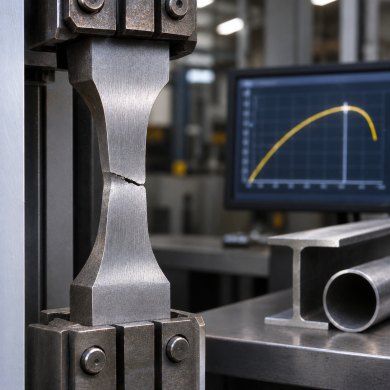
What Is Ultimate Tensile Strength? A Guide for Steel Buyers
Ultimate tensile strength is the maximum tensile stress a material reaches during a tensile test. It is calculated by dividing the maximum pulling...
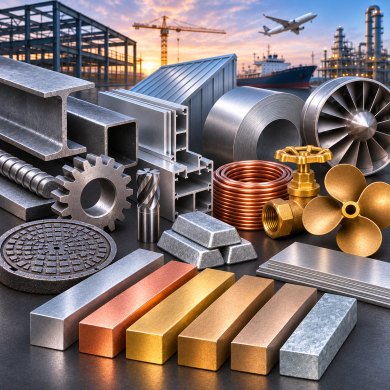
Types of Metal: A Guide to the Metals Used in Construction and Engineering
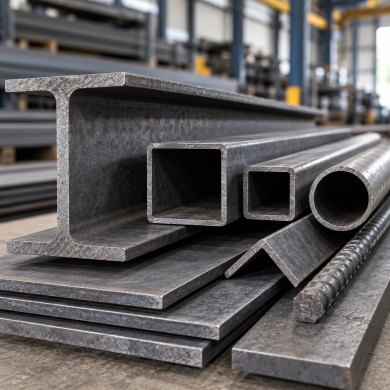
Metals used in construction and engineering are commonly grouped as ferrous or non-ferrous. Ferrous metals are iron-based and include steel and...
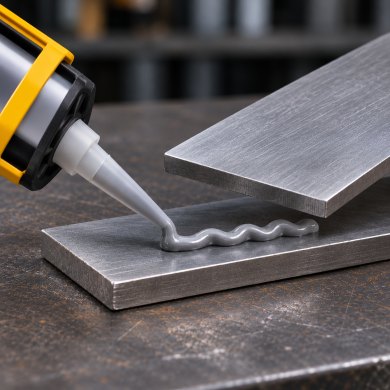
Metal Glue: The Best Adhesives for Bonding Metal to Metal
Bonding metal to metal with adhesive isn't a compromise, it's the right tool for jobs that welding and mechanical fixing don't suit...
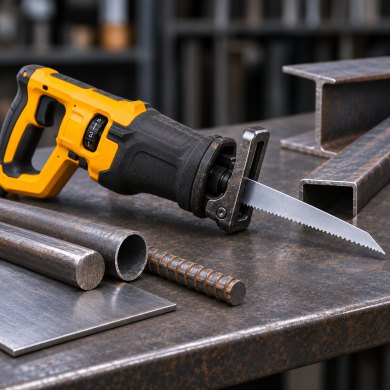
How to Cut Metal with a Reciprocating Saw: A Practical Guide
A reciprocating saw cuts metal cleanly and quickly when it's fitted with the right blade and run at the right speed, both of which matter...
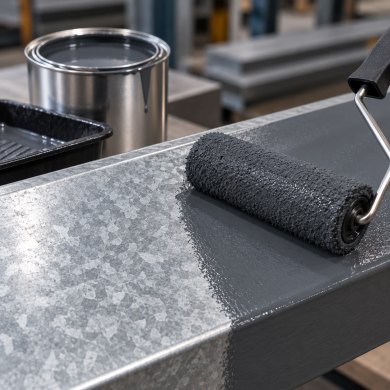
Can You Paint Galvanised Steel? A Step-by-Step Guide
Yes, you can paint galvanised steel, and it's a common, well-established thing to do: colour coding, matching an aesthetic, or adding an...
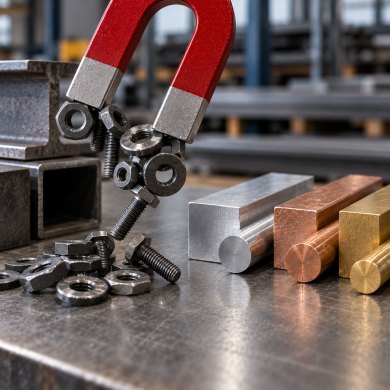
Which Metals Are Magnetic – and Why?
Which metals are magnetic comes down to one element more than any other: iron. If something sticks to a magnet, iron is almost always doing the...
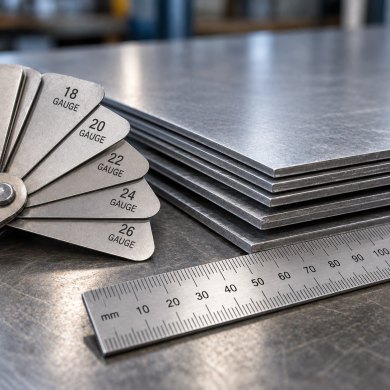
Sheet Metal Gauge to mm: A Complete Conversion Guide
Gauge doesn't convert to a single millimetre figure, because it isn't one measurement system. The same gauge number means a different...
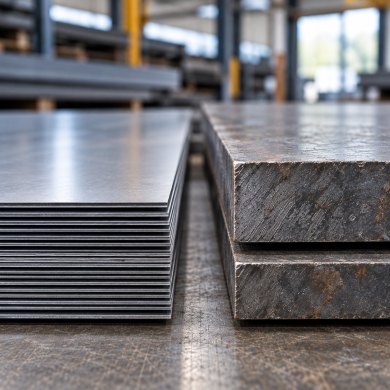
Steel Sheet vs Steel Plate: What's the Difference?
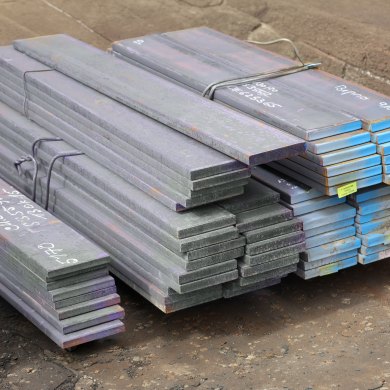
The difference between steel sheet and steel plate comes down mainly to thickness. As a rule of thumb, steel under 6mm thick is generally called...
What Is Mild Steel? Properties, Grades and Common Uses
If you've spent any time around construction or fabrication, "mild steel" is a phrase you'll have heard constantly - and for...
Does Galvanised Steel Rust? A Complete Guide
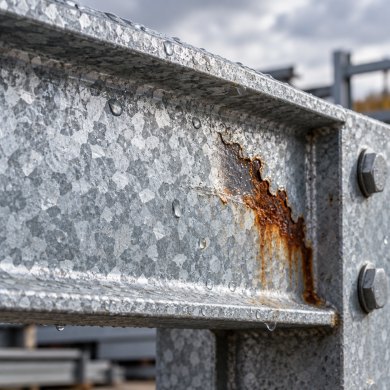
Galvanised steel has a reputation for standing up to the weather better than almost anything else on the yard. From structural beams to fence...
H Beam vs I Beam: Differences, Uses and When to Specify Each
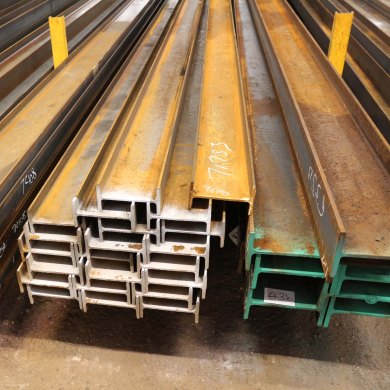
The difference between an H beam and an I beam comes down to the proportions of their flanges and web, and the direction of load each is built...
Ferrous vs Non-Ferrous Metals: Key Differences Explained
Understanding the difference between ferrous and non-ferrous metals comes down to one thing: iron. Ferrous metals - like mild steel, structural...
Mild Steel EN Grades: What Do the Numbers Mean?
An EN grade is a steel specification from BS 970, the British Standard that's classified engineering steel by composition and strength since...
What Is Galvanisation? How the Process Works and Why It Matters
Galvanisation is the process of coating steel in zinc to protect it from rust, and the most common method by far is hot-dip galvanising, where...