Types of Metal: A Guide to the Metals Used in Construction and Engineering

Metals used in construction and engineering are commonly grouped as ferrous or non-ferrous. Ferrous metals are iron-based and include steel and cast iron. Non-ferrous metals include aluminium, copper and their alloys. This classification is useful, but the specific grade and condition determine a material’s performance.

This guide works through the specific metal types you'll encounter and choose between, what each one is good at, where it falls down, and how they stack up against each other at a glance.
5 Main Types of Steel You'll Encounter

Steel isn't one material, it's a family of distinct types, each trading one property for another rather than one version being universally "best." Mild and structural steel, stainless, tool steel and cast iron each suit a different priority, whether that's cost, corrosion resistance, hardness or workability, so matching the trade-off to the job matters more than defaulting to whichever's cheapest or most familiar.


1. Mild and Structural Steel

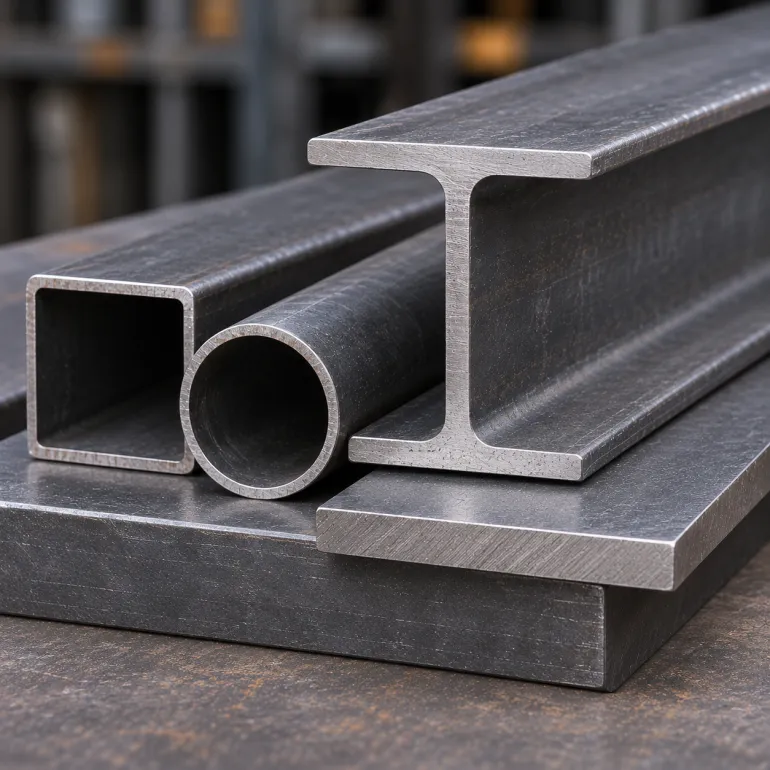
Mild and structural steel is the default choice for most fabrication and construction work, strong, weldable, and inexpensive relative to almost anything else on this list. The trade-off is corrosion: left uncoated, it rusts, so most exposed applications need galvanising or another protective finish.


2. Engineering Steel

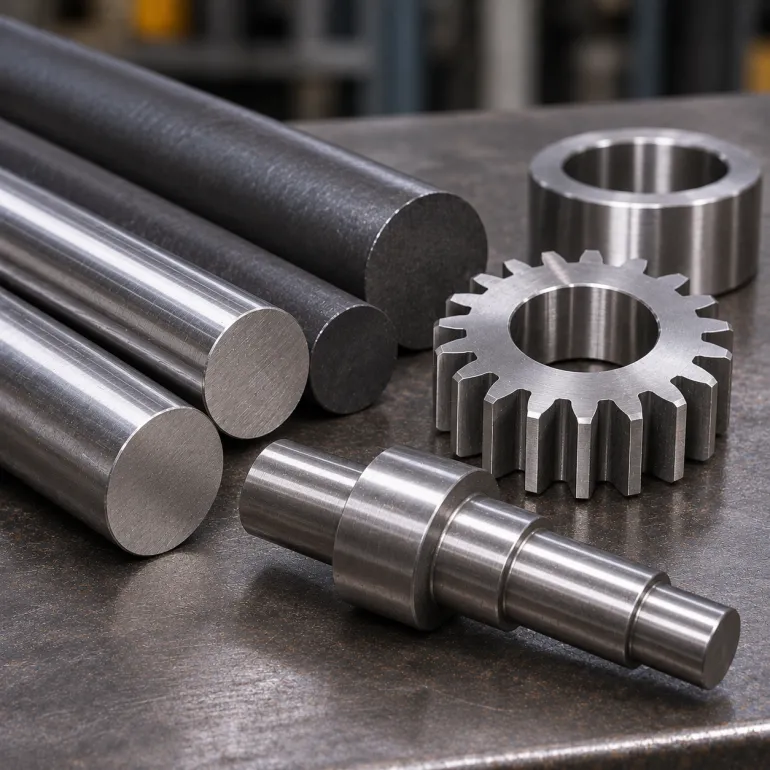
Engineering steel is used for machined components such as shafts, pins and gears. Different grades and supply conditions provide different combinations of strength, hardness and machinability. BM Steel’s Engineering Steel range includes bright round bars and engineering black bar.


3. Stainless Steel

Stainless steel solves that corrosion problem at the alloy level rather than the coating level, adding chromium to form a passive oxide layer that resists rust without any finish at all. It costs more for the privilege, and some grades weld less easily than mild steel does.

3. Stainless Steel

Stainless steel solves that corrosion problem at the alloy level rather than the coating level, adding chromium to form a passive oxide layer that resists rust without any finish at all. It costs more for the privilege, and some grades weld less easily than mild steel does.


4. Tool Steel

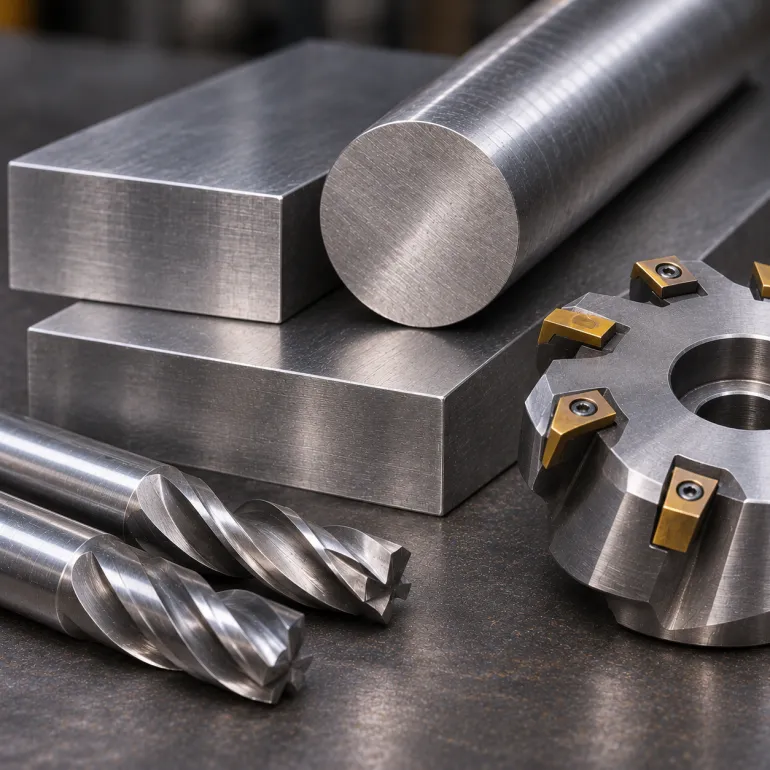
Tool steel takes a different priority altogether: it's alloyed and heat-treated specifically for hardness and wear resistance rather than weldability or cost. The trade-off is workability, it's harder to cut and shape than the steel it's designed to cut and shape.

4. Tool Steel

Tool steel takes a different priority altogether: it's alloyed and heat-treated specifically for hardness and wear resistance rather than weldability or cost. The trade-off is workability, it's harder to cut and shape than the steel it's designed to cut and shape.


5. Cast Iron

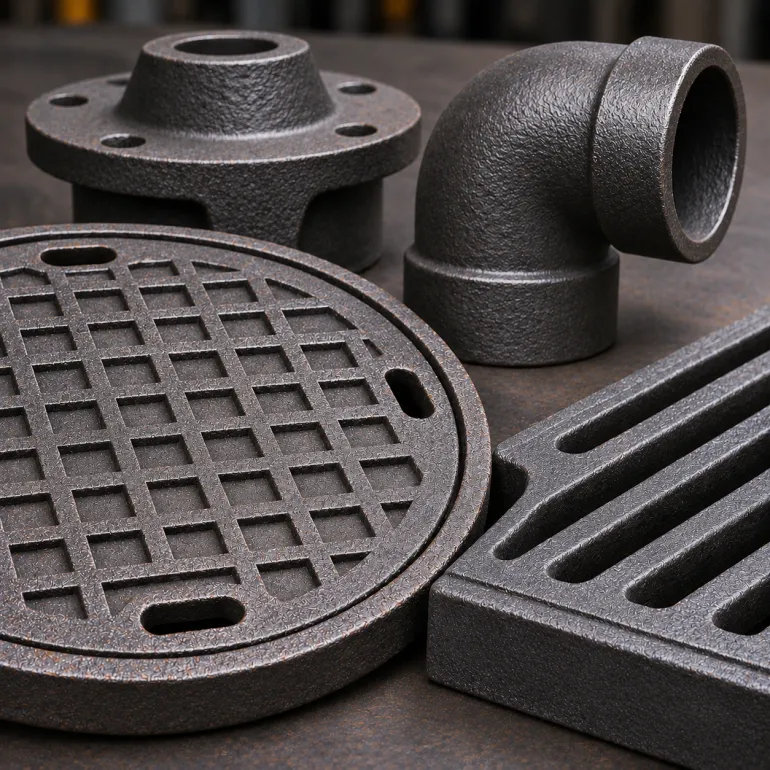
Cast iron is the oldest of the four, brittle under tension but excellent under compression, and it still turns up in manhole covers, drainage fittings and older structural components. New construction has largely moved on to steel, but cast iron hasn't disappeared entirely.

5. Cast Iron

Cast iron is the oldest of the four, brittle under tension but excellent under compression, and it still turns up in manhole covers, drainage fittings and older structural components. New construction has largely moved on to steel, but cast iron hasn't disappeared entirely.


Non-Ferrous Metals for Construction and Engineering

Everything below skips iron, and that single difference changes how each metal behaves in practice, particularly its resistance to corrosion and its response to a magnet, the two properties that separate ferrous from non-ferrous metals in the first place. None of the metals that follow rust the way exposed steel does, though how each one resists it, and what it trades away in return, is different every time.


Aluminium

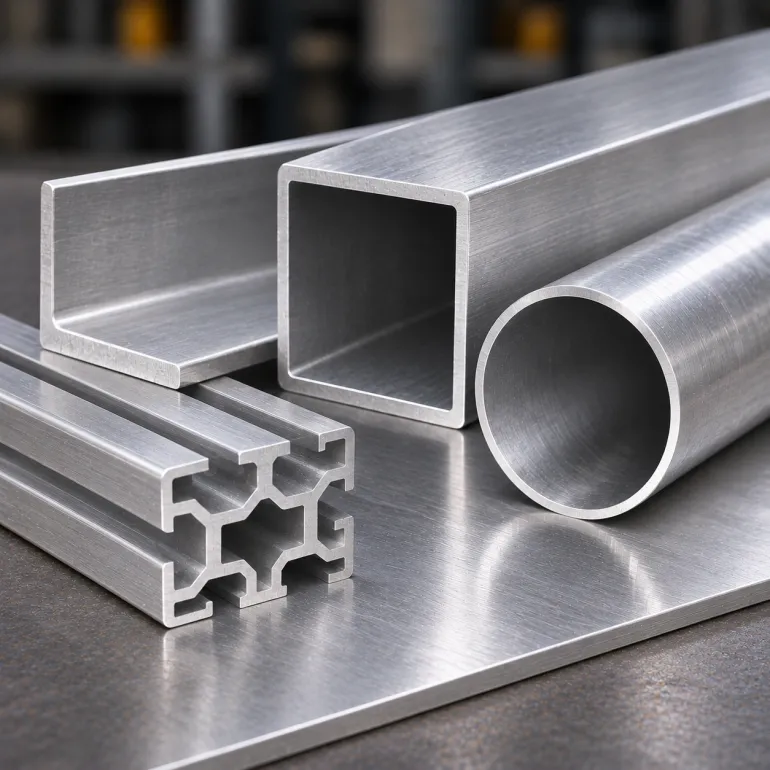
Aluminium weighs in at around 2.7 g/cm³, roughly a third of steel's density, and forms a self-healing oxide layer that protects it from corrosion without coating. Pure aluminium is soft, around 90 MPa tensile strength, but alloying pushes that well past 400 MPa in structural grades, which is why it shows up in cladding, window and door frames, and anywhere weight matters as much as strength.


Copper

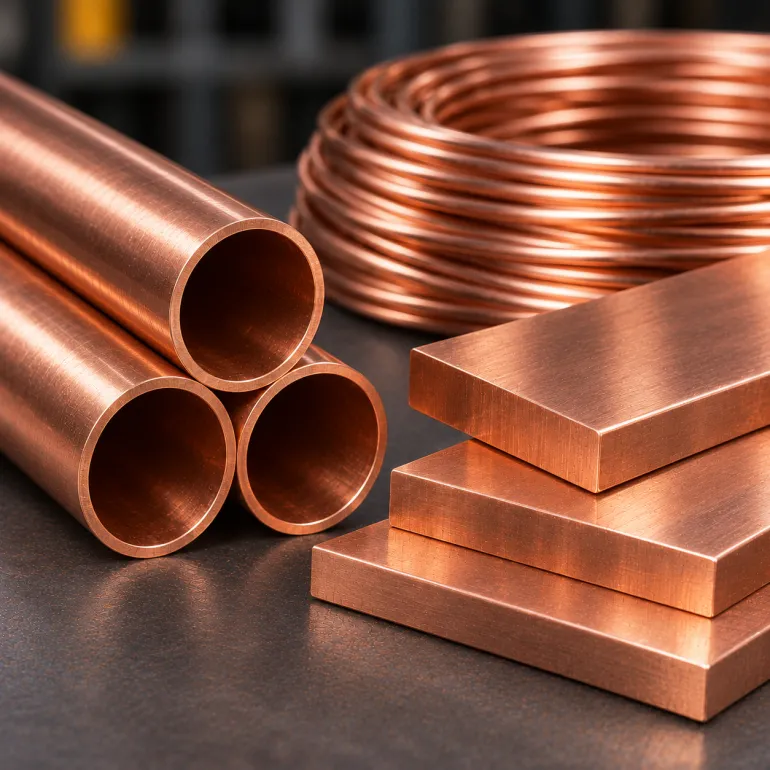
Copper sits at the other end of the density scale, around 8.9 g/cm³, and its main selling point isn't structural strength but electrical conductivity, second only to silver among metals. That's why it dominates wiring and busbars, and its natural corrosion resistance, forming a protective patina rather than rusting, extends to plumbing and roofing too.


Brass

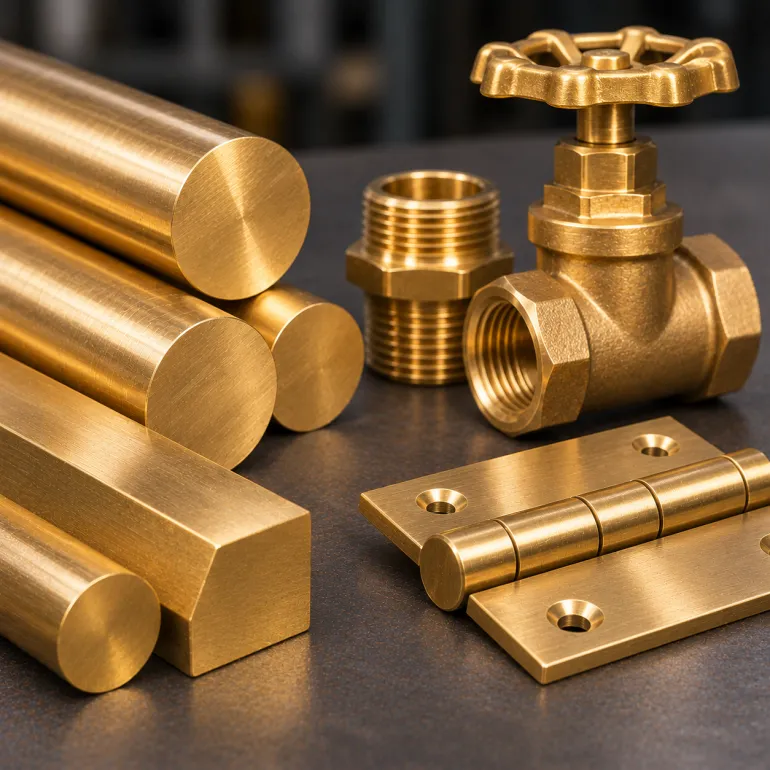
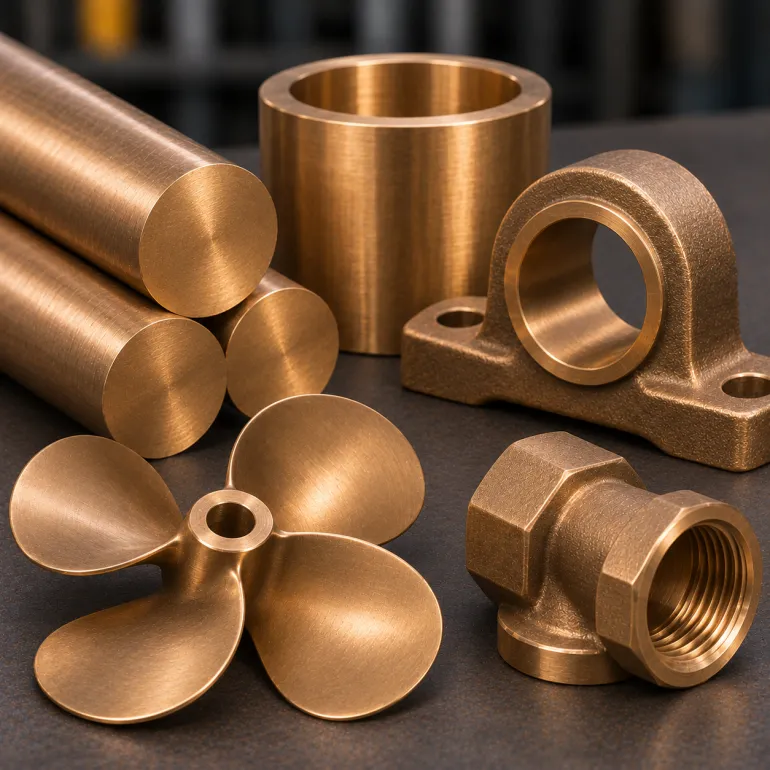
Brass and bronze are both copper alloys, bred for different jobs. Brass, mixed with zinc typically running 55 to 85 per cent copper, machines easily and takes a decorative finish well, which is why it turns up in fittings, valves and hardware more than structural roles.

Brass

Brass and bronze are both copper alloys, bred for different jobs. Brass, mixed with zinc typically running 55 to 85 per cent copper, machines easily and takes a decorative finish well, which is why it turns up in fittings, valves and hardware more than structural roles.


Bronze

Bronze swaps zinc for tin, around 12 per cent tin, and comes out harder and more corrosion-resistant than brass, particularly against seawater. That's why it's the choice for marine fittings and bearings, where brass would wear or corrode faster.

Bronze

Bronze swaps zinc for tin, around 12 per cent tin, and comes out harder and more corrosion-resistant than brass, particularly against seawater. That's why it's the choice for marine fittings and bearings, where brass would wear or corrode faster.


Zinc

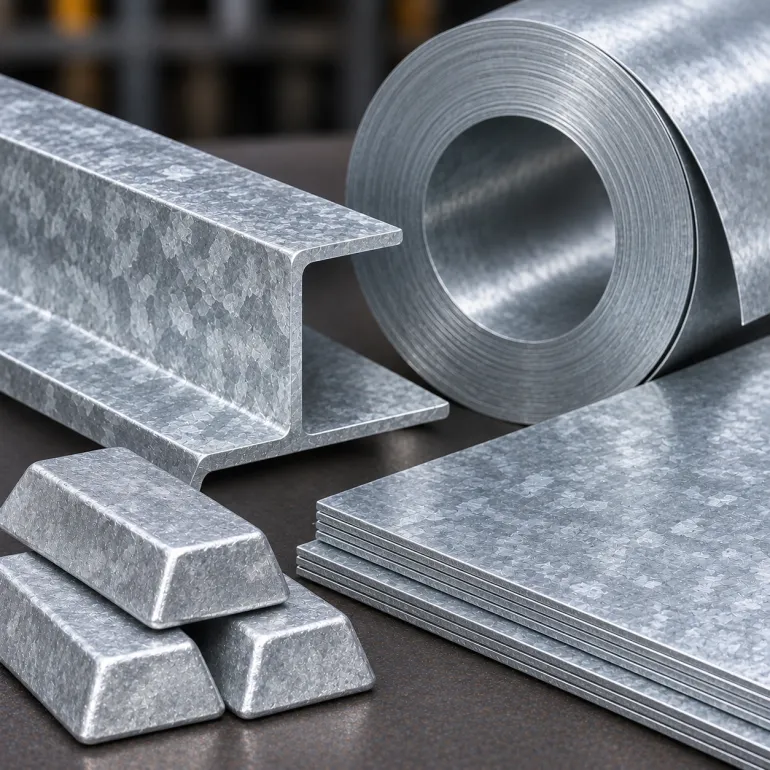
Zinc rarely appears as a structural metal in its own right. Its main job is protecting steel: hot-dip galvanising has used zinc coatings to prevent rust for over 150 years, and pure zinc sheet does occasionally turn up in roofing and panelling too.

Zinc

Zinc rarely appears as a structural metal in its own right. Its main job is protecting steel: hot-dip galvanising has used zinc coatings to prevent rust for over 150 years, and pure zinc sheet does occasionally turn up in roofing and panelling too.


Titanium

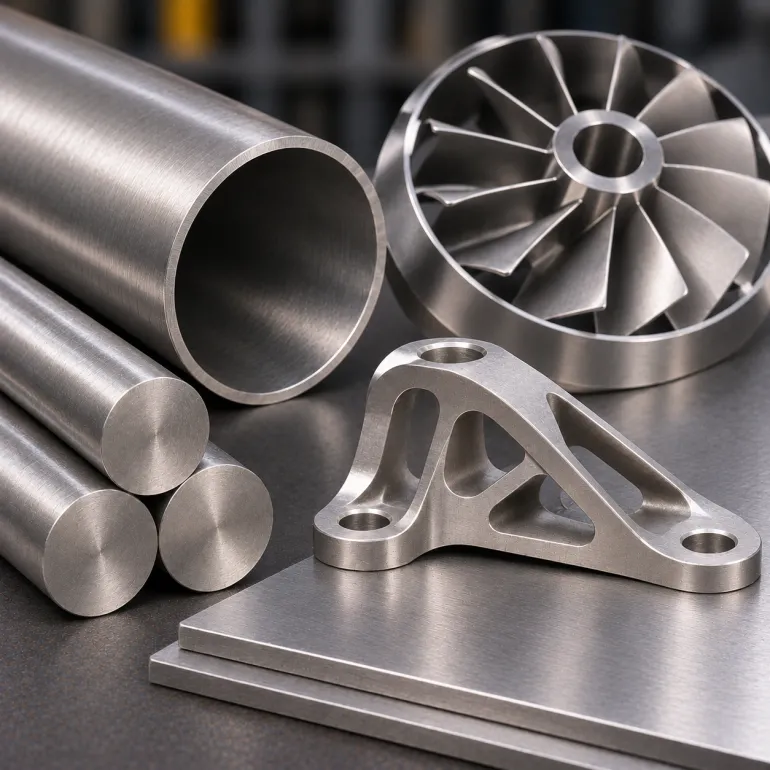
Titanium combines a density of around 4.5 g/cm³, roughly half that of steel, with a strength-to-weight ratio that rivals it, plus a corrosion-resistant oxide film that needs no coating even in seawater. That performance comes at a significant cost premium, which limits it to aerospace, marine and chemical processing applications where the weight and corrosion benefits justify the price.


Comparing Common Metal Types

Metal

Density (g/cm³)

Corrosion Resistance

Common Uses

Mild / Structural Steel

7.85

Needs coating or galvanising

Structural framing, fabrication

Stainless Steel

7.93

Naturally resistant, chromium oxide layer

Architectural, hygiene-critical, marine-adjacent

Aluminium

2.7

Self-healing oxide layer

Cladding, frames, weight-critical structures

Copper

8.9

Natural protective patina

Wiring, plumbing, roofing

Brass

8.5 to 8.8

Good, especially naval brass

Fittings, valves, decorative hardware

Bronze

7.5 to 8.9

Excellent, especially seawater

Marine fittings, bearings

Zinc

7.15

Sacrificial protection when galvanising

Coating steel, occasional roofing

Titanium

4.4 to 4.9

Excellent, oxide film, no coating needed

Aerospace, marine, chemical processing


Choosing the Right Metal for Your Application

Which metal wins for a given project usually comes down to one dominant factor, weight, budget, corrosion exposure, or electrical performance, rather than an overall "best" material. Matching that dominant factor to the right metal type narrows the choice quickly.


Weight-Critical Projects

Where every kilogram counts, aluminium or titanium beats steel, which is why aerospace and marine designs so often favour them wherever cost allows. The same logic applies on a smaller scale, which is why aluminium treadplate often replaces steel for flooring and cladding where weight matters.

Budget-Driven Work

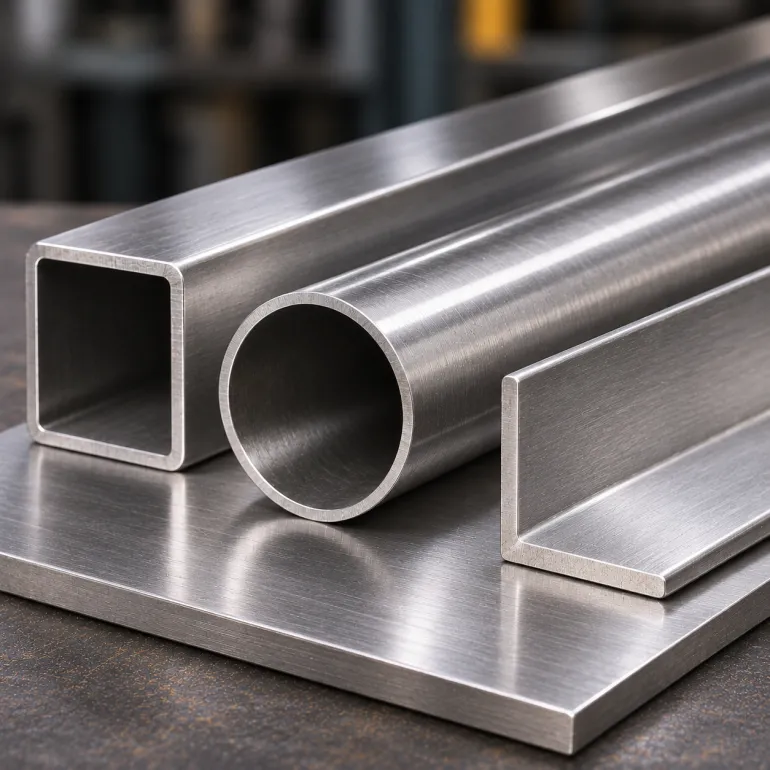
Where budget drives the decision instead, mild steel is usually still the answer, whether as structural sections for framing or hollow sections for lighter fabrication. Little else on this list comes close to its cost per unit of strength.

Corrosion-Critical Environments

Environments that can't support an ongoing coating or maintenance schedule call for a metal that resists corrosion on its own: stainless steel, aluminium or titanium, whichever the budget stretches to, rather than mild steel that needs continual protection. It's the same reason exposed balustrades tend to use stainless steel handrails rather than painted mild steel.


BM Steel's Metal Range

BM Steel stocks the ferrous and non-ferrous metals that matter most for construction and fabrication work, in the grades and sizes covered throughout this guide, from general fabrication steel through to the lighter, corrosion-resistant options. Our Structural Sections range is the natural starting point for most projects. Whatever metal your project calls for, our depot network can supply and cut it to the sizes you need


Frequently Asked Questions


How are metals used in construction?

Construction uses metal across five main roles: structural framing (steel, for load-bearing strength), reinforcement (steel rebar embedded in concrete), the building envelope (aluminium and zinc for cladding, roofing and facades), services (copper for wiring and plumbing), and fixings (steel and brass for fasteners and hardware).

The same metal often ends up doing several of these jobs on one project, which is why picking the right type for each specific role matters more than picking one metal for the whole build.


Which steel is used for reinforcement?

Grade B500B is the standard reinforcement steel in the UK, specified under BS 4449 with a characteristic yield strength of 500 MPa. Our High Yield Reinforcement Bar range stocks it in the sizes most reinforced concrete projects need.


What is the strongest material used in construction?

Steel is the strongest material used in construction in the sense that matters for most structures: it performs well in both tension and compression, reaching 400 to 500 MPa in each. Concrete alone can't make that claim, capable of 70 MPa or more in compression but weak in tension on its own, which is exactly why reinforced concrete pairs the two, steel for tension, concrete for compression, rather than relying on either material alone.


How much steel is used in an RCC slab?

An RCC slab typically uses around 80 to 100 kg of steel reinforcement per cubic metre of concrete, roughly 0.8 to 1 per cent of the concrete volume. The exact figure depends on whether it's a one-way or two-way slab and the load it's designed for.


Is steel used in construction recyclable?

Yes, steel is recyclable indefinitely, returning to full strength every cycle with no limit on how many times it gets reprocessed. UK-recovered structural steel now hits a 96% recovery rate, split between reuse and recycled scrap, a figure most other construction materials aren't close to matching. That's a real factor in why steel holds its position as the default structural choice as sustainability increasingly weighs into specification decisions.


Posted by Craig Silvain
16th September 2026

Back to news