What Is Mild Steel? Properties, Grades and Common Uses

If you've spent any time around construction or fabrication, "mild steel" is a phrase you'll have heard constantly - and for good reason. It's the most widely used steel in the UK, the default choice for everything from structural beams to garden gates, and understanding what it actually is makes every other material decision easier.


What Is Mild Steel Made Of?

Mild steel is a type of carbon steel, and its composition is refreshingly simple. It's mostly iron, with carbon making up a small fraction of the mix - usually under 0.25% by weight - along with trace amounts of manganese, silicon, and other elements depending on the specific grade. That's a much lower carbon content than medium or high-carbon steels, which is exactly where the name "mild" comes from.

This low carbon content is a deliberate trade-off. Higher-carbon steels are harder and stronger but more brittle and harder to weld. Mild steel sacrifices some of that raw hardness in exchange for excellent ductility, weldability, and machinability - which is precisely why it's the material of choice for such a wide range of general engineering and construction work.
How Is Mild Steel Made?

Mild steel starts life the same way most structural steel does - iron ore is smelted in a blast furnace, combined with carbon and other elements in controlled quantities, and cast into semi-finished forms before being rolled into the shapes and sections that actually reach a building site or workshop.

From there, it typically takes one of two paths:


Hot-rolled

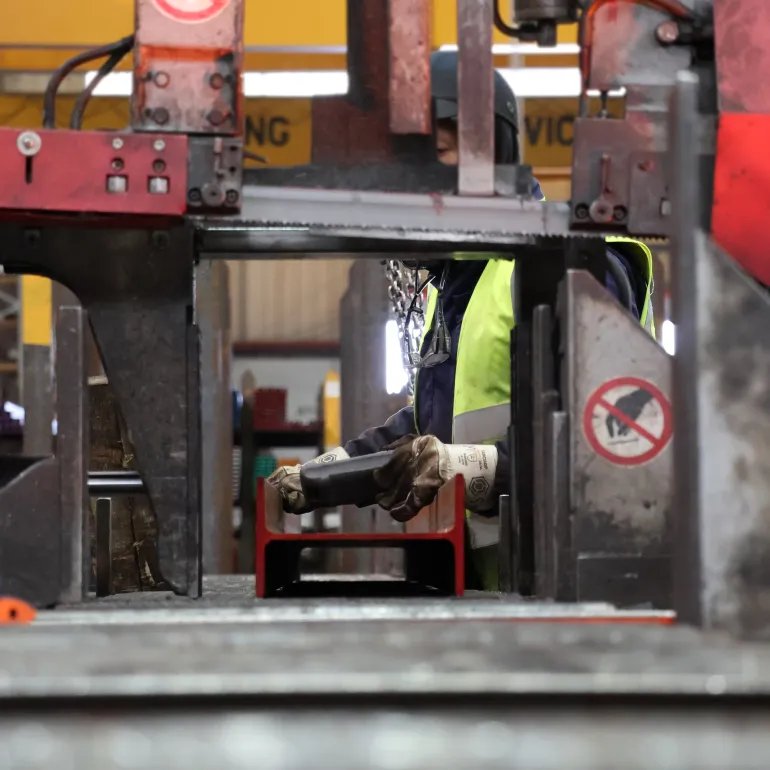
Steel is rolled into shape while still hot, above its recrystallisation temperature. This is the standard process for structural sections, plate, and sheet, and it's what you'll find across most structural steel ranges. Hot-rolled steel has a slightly rougher, scaled surface finish and less precise tolerances than cold-rolled, but it's cheaper to produce and perfectly suited to structural applications where a few millimetres of tolerance doesn't matter.

Cold-rolled

Steel is rolled at room temperature after the initial hot-rolling stage, which improves surface finish, tightens dimensional tolerances, and increases strength slightly through work hardening. This is the process behind bright mild steel, and it's why cold-rolled products cost more but suit precision engineering and machined components better.


Which route a piece of mild steel takes has a real effect on what it's suited for, which is why "mild steel" as a term covers such a wide spread of finishes and applications rather than one single product.


Key Properties of Mild Steel


Property

Value

Carbon content

0.05% - 0.25%

Magnetic

Yes - its high iron content makes it ferromagnetic

Weldability

Excellent

Ductility

Good - forms and bends well without cracking

Corrosion resistance

Poor, untreated - rusts without a protective coating

Cost

Low relative to alloy and stainless steels

Typical yield strength

235-355 N/mm², depending on grade

Melting point

Approximately 1,370-1,510°C


The properties worth focusing on for most projects are the strength-to-cost ratio and the workability. Mild steel welds, cuts, drills, and machines easily with standard tools, which keeps fabrication costs down compared to harder or more exotic alloys. It's also highly recyclable - scrap mild steel can be melted down and reprocessed indefinitely without a meaningful loss in quality, which is a genuine sustainability advantage over composite or plastic alternatives in construction.

The trade-off, as with most ferrous metals, is that it needs protection against corrosion - either through paint, primer, or galvanising - since the iron content that gives it strength is also what makes it vulnerable to rust.


Common Grades of Mild Steel


S235JR: Light-Duty Structural Grade

The lightest-duty of the common structural grades, with a minimum yield strength of 235 N/mm². It's less commonly specified in the UK today than S275 or S355, but it still turns up in lighter secondary steelwork, general fabrication, and applications where the higher strength of the more common grades simply isn't needed.

S275JR: The UK's Standard Structural Grade

The most widely specified structural grade in the UK, conforming to BS EN 10025. The "275" denotes a minimum yield strength of 275 N/mm², and "JR" confirms it's been impact-tested at room temperature. S275JR strikes a good balance of strength, weldability, and cost, which is why it's the default choice for general construction, brackets, and secondary structural steelwork.

S355JR: High-Strength Structural Grade

A higher-strength structural grade with a minimum yield of 355 N/mm² - roughly 30% stronger than S275. It's the standard choice for primary structural work like beams and columns where load-bearing capacity matters more than shaving costs. According to the Steel Construction Institute, S355 is now the predominant grade for UK bridge and building structures, having largely overtaken S275 for primary steelwork.


Galvanised Mild Steel

Not a separate grade so much as a treatment — mild steel that's been hot-dip galvanised with a protective zinc coating to solve its corrosion weakness. It's covered in detail in our guide to whether galvanised steel rusts, but the short version is that galvanising extends mild steel's outdoor lifespan from a few years to several decades.

Bright Mild Steel

Cold-drawn rather than hot-rolled, bright mild steel has a smoother surface finish and tighter dimensional tolerances than standard hot-rolled steel. It's more common in precision engineering and machined components than structural work, but it's worth knowing the distinction if you're sourcing bar stock for fabrication rather than construction.


6 Common Uses of Mild Steel

Mild steel's combination of strength, cost, and workability makes it the backbone of our range — it's genuinely difficult to find a category on our site that isn't built around it in some form.


1. Structural Steelwork

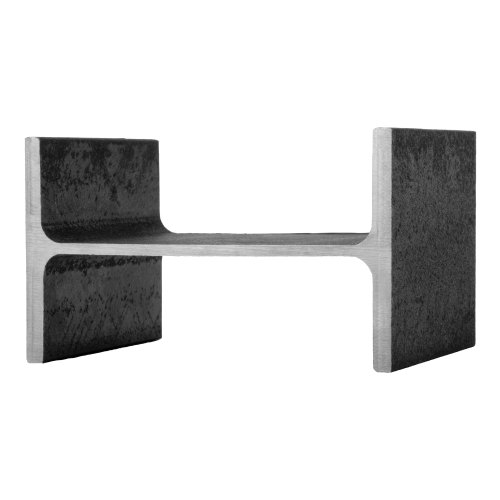
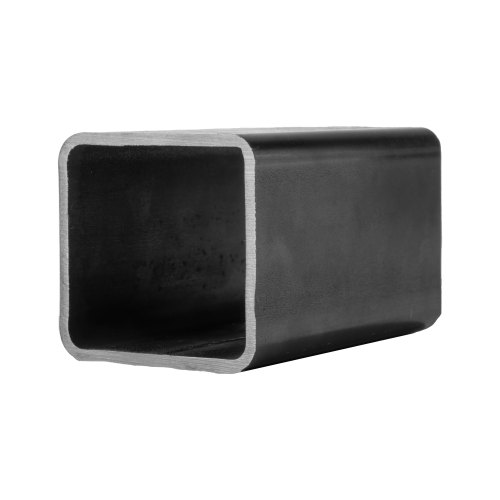
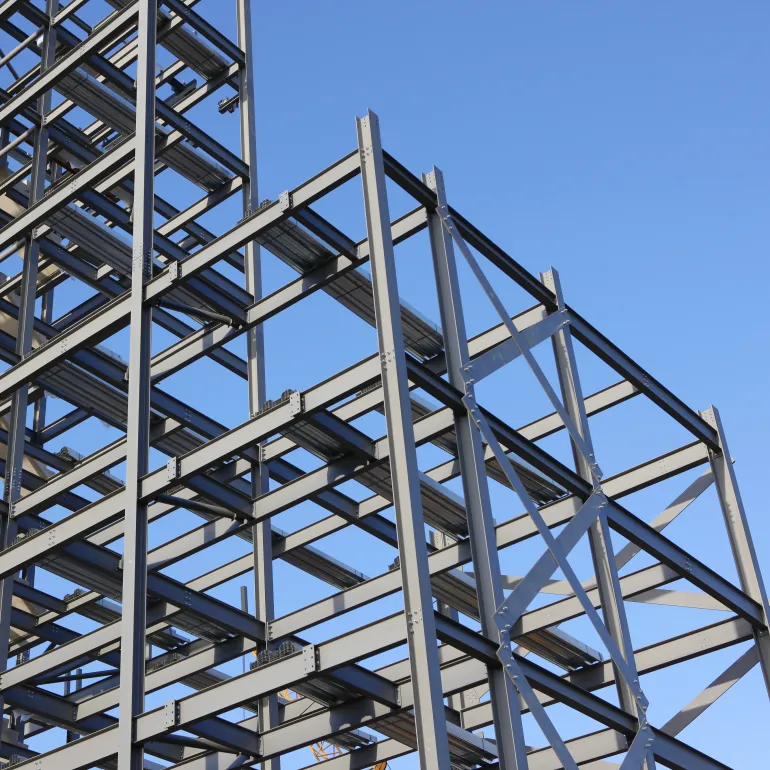
This is where mild steel does the heavy lifting, literally - our universal beams, universal columns, and hollow sections in RHS, SHS, and CHS profiles cover everything from extensions and outbuildings to full structural frames.

1. Structural Steelwork

This is where mild steel does the heavy lifting, literally - our universal beams, universal columns, and hollow sections in RHS, SHS, and CHS profiles cover everything from extensions and outbuildings to full structural frames.


2. Sheet and Plate

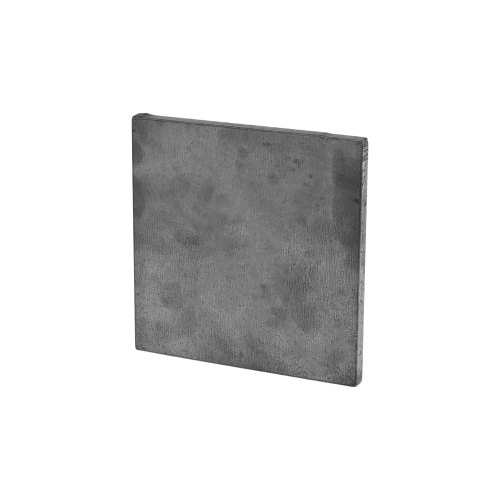
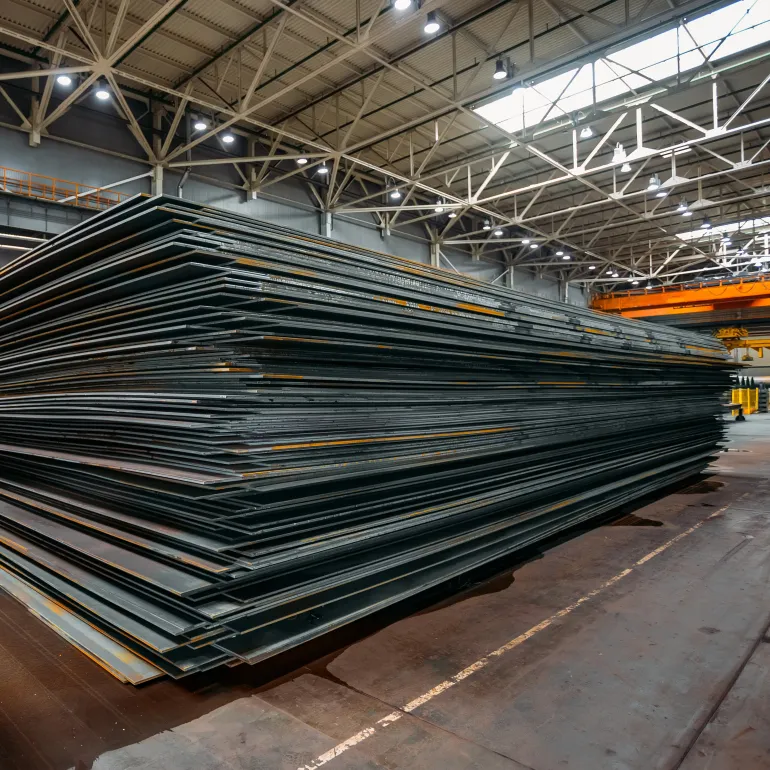
Covers everything from roofing and cladding to custom fabrication, with our galvanised sheet range handling anything destined for outdoor exposure without a separate paint finish.

2. Sheet and Plate

Covers everything from roofing and cladding to custom fabrication, with our galvanised sheet range handling anything destined for outdoor exposure without a separate paint finish.


3. Concrete Reinforcement

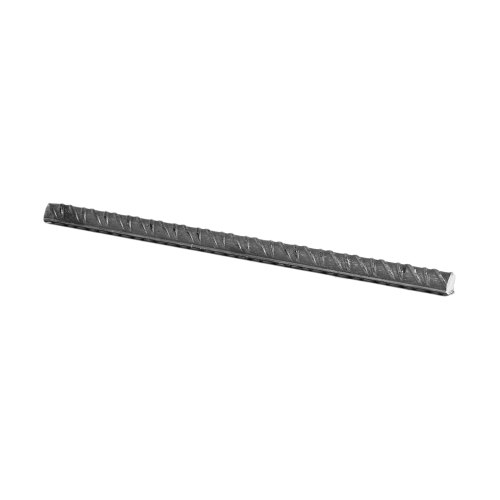
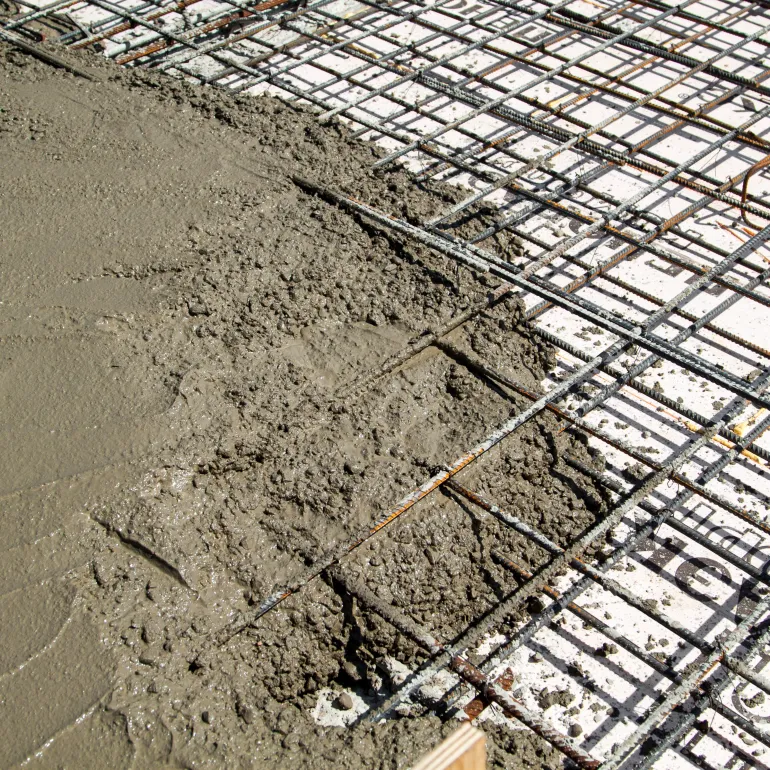
Reinforcement for concrete relies on mild and carbon steel almost exclusively — our high-yield reinforcement bar and reinforcement mesh ranges are stocked specifically for this.

3. Concrete Reinforcement

Reinforcement for concrete relies on mild and carbon steel almost exclusively — our high-yield reinforcement bar and reinforcement mesh ranges are stocked specifically for this.


4. Fencing, Handrails, and Safety Barriers

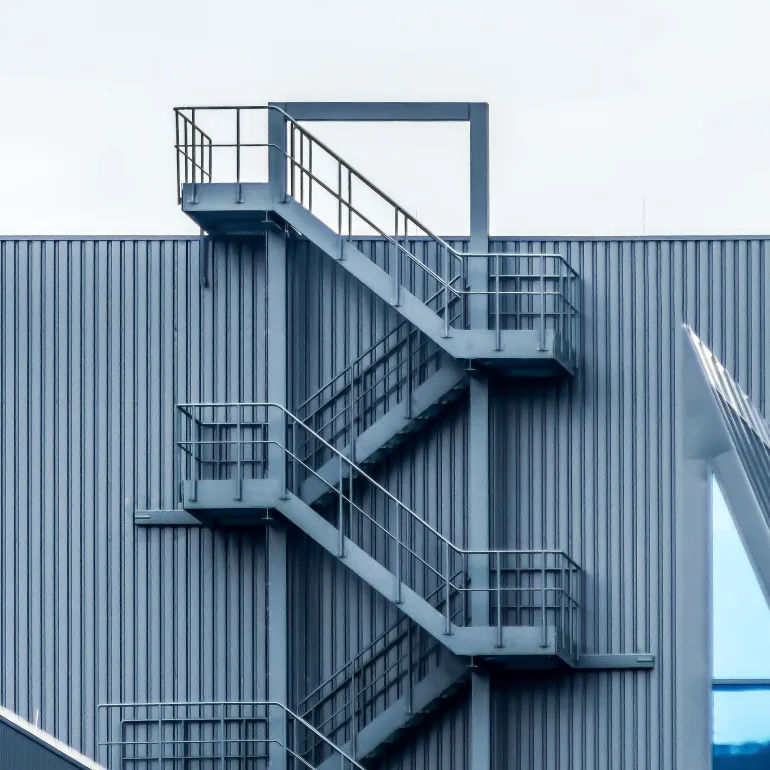
One of the most visible everyday applications — our handrail tubes, palisade fencing, and galvanised fence posts are all mild steel underneath, protected with a zinc coating for the outdoors.

4. Fencing, Handrails, and Safety Barriers

One of the most visible everyday applications — our handrail tubes, palisade fencing, and galvanised fence posts are all mild steel underneath, protected with a zinc coating for the outdoors.


5. General Fabrication and Custom Projects

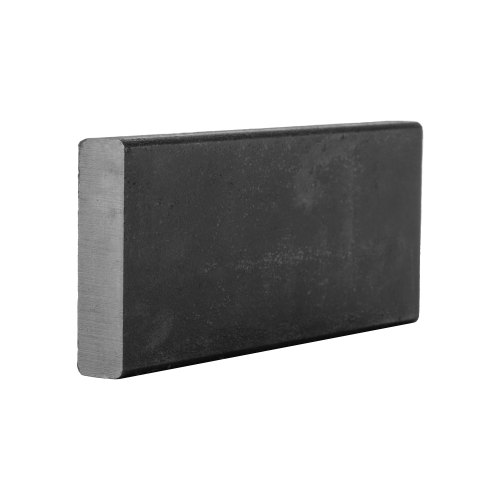
Brackets, brace plates, gates, and one-off builds are exactly what our free cutting service exists for, letting fabricators and DIYers alike order mild steel cut to size rather than working from full lengths.

5. General Fabrication and Custom Projects

Brackets, brace plates, gates, and one-off builds are exactly what our free cutting service exists for, letting fabricators and DIYers alike order mild steel cut to size rather than working from full lengths.


6. Agricultural and Industrial Structures

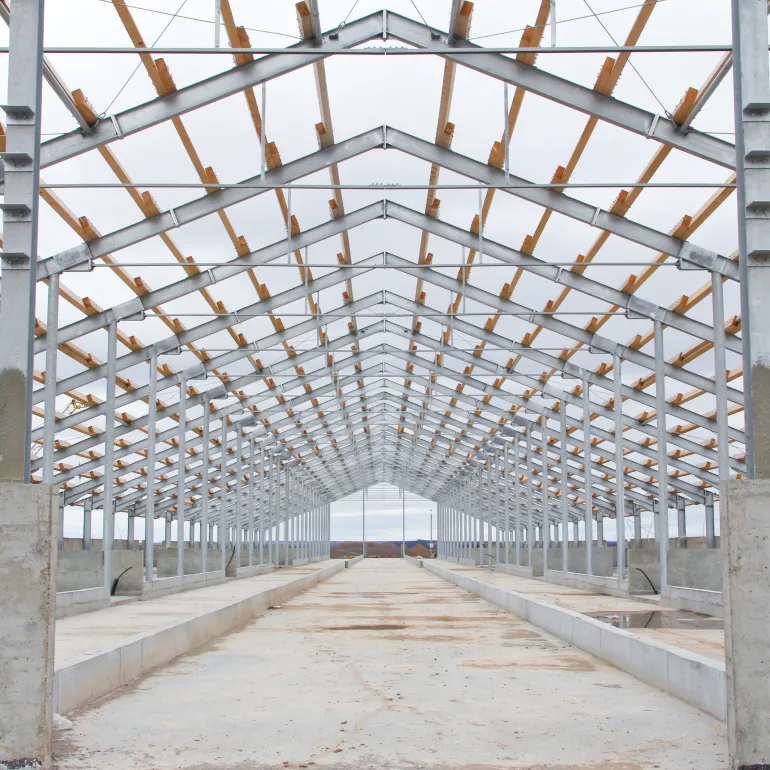
From sheds to outbuildings, these lean heavily on the same structural sections and sheet products above, usually specified in a galvanised or primer-painted finish for a maintenance-free lifespan outdoors.

6. Agricultural and Industrial Structures

From sheds to outbuildings, these lean heavily on the same structural sections and sheet products above, usually specified in a galvanised or primer-painted finish for a maintenance-free lifespan outdoors.


Mild Steel Compared to Other Steels

Mild steel's advantage across this comparison isn't that it wins on any single property - it's that it's good enough across the board, at a fraction of the cost of stainless, with far better weldability than cast iron or high-carbon steel. That's exactly why it remains the default choice for the vast majority of general construction and fabrication work, with the other materials reserved for the specific situations where their particular strength actually matters.

Whatever the project, there's a good chance the mild steel behind it is sitting somewhere in our structural steel range already.


Shop Mild Steel

At BM Steel, we stock a comprehensive range of mild steel in structural sections, sheet, plate, and reinforcement, with cutting available on selected products and nationwide delivery.

Contact Us


Frequently Asked Questions about Mild Steel


Is mild steel the same as carbon steel?

Mild steel is a type of carbon steel - specifically, the low-carbon end of the carbon steel family. "Carbon steel" more broadly also includes medium and high-carbon steels, which have different properties (harder, less weldable, more expensive to work with).


Does mild steel rust?

Yes, readily, if left untreated. Its iron content reacts with oxygen and moisture the same way any ferrous metal does. For anything staying outdoors long-term, galvanising or a painted finish is standard practice.


Can mild steel be hardened?

Not through standard heat treatment in the way medium or high-carbon steels can — the carbon content is simply too low for through-hardening to be effective. It can be case hardened (hardening just the surface layer) if extra wear resistance is needed on specific components.


Is mild steel expensive compared to other structural materials?

No - it's one of the most cost-effective structural materials available, largely because iron ore is abundant and the production process is well-established at scale. This is a major reason it remains the default choice for general construction over pricier alternatives like stainless steel or aluminium.


What's the difference between mild steel and structural steel?

"Structural steel" isn't a separate material - it's a category defined by application and specification (like S275JR or S355JR) rather than composition. Most structural steel used in UK construction is, in fact, mild steel that meets the specific yield strength and testing requirements set out in BS EN 10025.


Can mild steel be recycled?

Yes, and extensively. Mild steel is one of the most recycled materials in the world. According to the World Steel Association, the global steel industry has recycled over 25 billion tonnes of steel since 1900, and scrap steel can be melted down and reformed repeatedly without significant loss of quality — making it a genuinely sustainable choice for construction and fabrication.


Posted by Craig Silvain
12th August 2026

Back to news