
Ferrous vs Non-Ferrous Metals: Key Differences Explained

Understanding the difference between ferrous and non-ferrous metals comes down to one thing: iron.

Ferrous metals - like mild steel, structural steel, and cast iron - contain iron, which makes them strong and generally magnetic, but prone to rust unless treated or alloyed.

Non-ferrous metals, such as aluminium, copper, brass, and zinc, contain no iron at all, which is exactly why they resist corrosion naturally, aren't magnetic, and tend to be lighter. That single distinction shapes almost everything else about how each metal behaves and where it's best used.
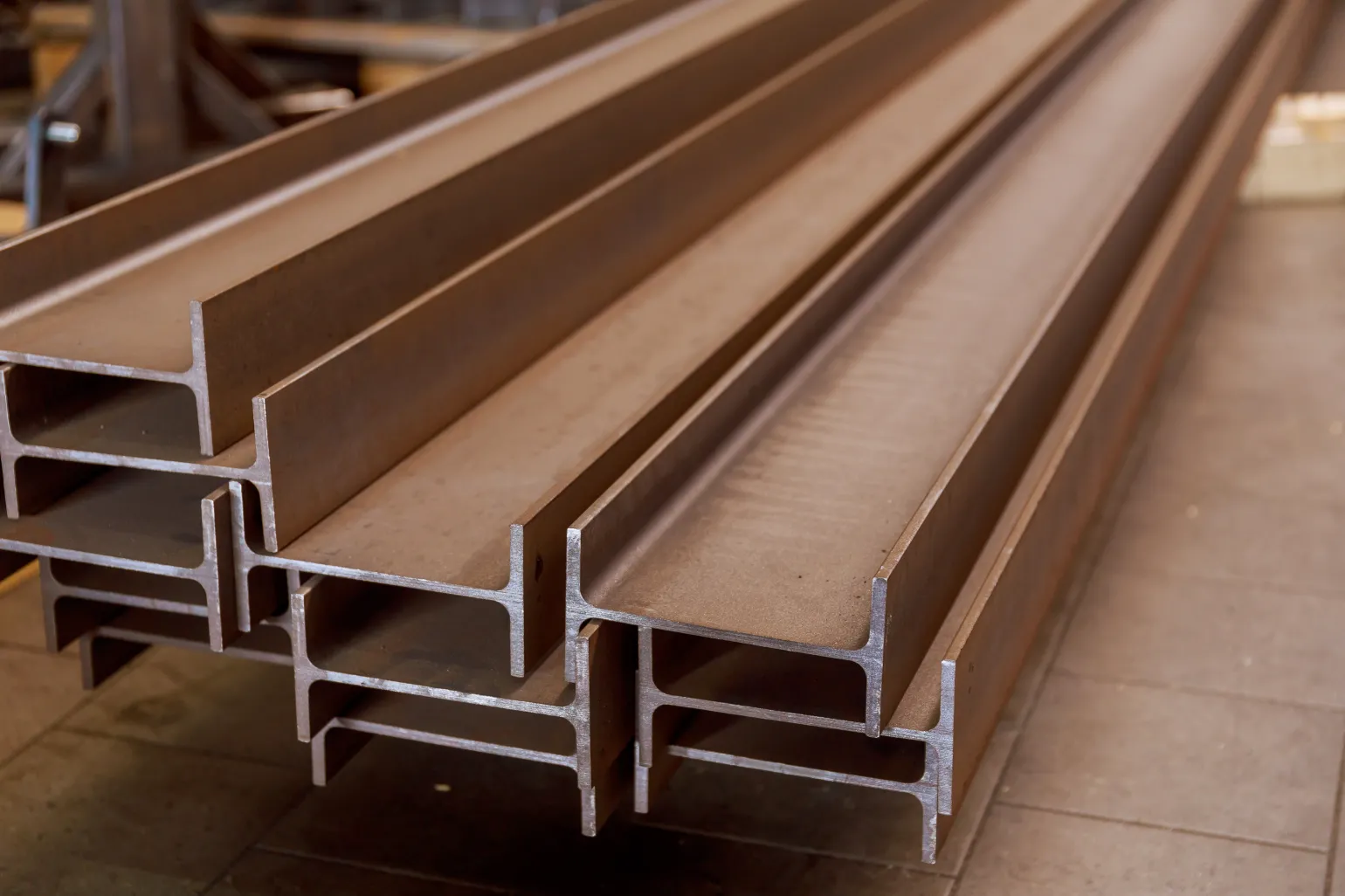


What Is a Ferrous Metal?

A ferrous metal is any metal that contains iron. That's the whole definition - no exceptions, no fine print. If iron is part of the makeup, the metal is ferrous.

That iron content is what gives ferrous metals their defining traits: high strength, good load-bearing capacity, and a tendency toward magnetism. It's also why, left untreated, ferrous metals corrode - the iron reacts with oxygen and moisture to form rust. That's not a flaw so much as a trade-off: the same iron that makes steel strong is what makes it vulnerable to corrosion, which is exactly why treatments like galvanising exist.

Mild steel is the classic example, and it's the backbone of most structural and construction work for good reason - it's strong, affordable, and easy to work with. But

What Is a Ferrous Metal?

A ferrous metal is any metal that contains iron. That's the whole definition - no exceptions, no fine print. If iron is part of the makeup, the metal is ferrous.

That iron content is what gives ferrous metals their defining traits: high strength, good load-bearing capacity, and a tendency toward magnetism. It's also why, left untreated, ferrous metals corrode - the iron reacts with oxygen and moisture to form rust. That's not a flaw so much as a trade-off: the same iron that makes steel strong is what makes it vulnerable to corrosion, which is exactly why treatments like galvanising exist.

Mild steel is the classic example, and it's the backbone of most structural and construction work for good reason - it's strong, affordable, and easy to work with. But "ferrous" covers a wide family: everything from basic mild steel through to cast iron and specialist tool steels sits under this umbrella.
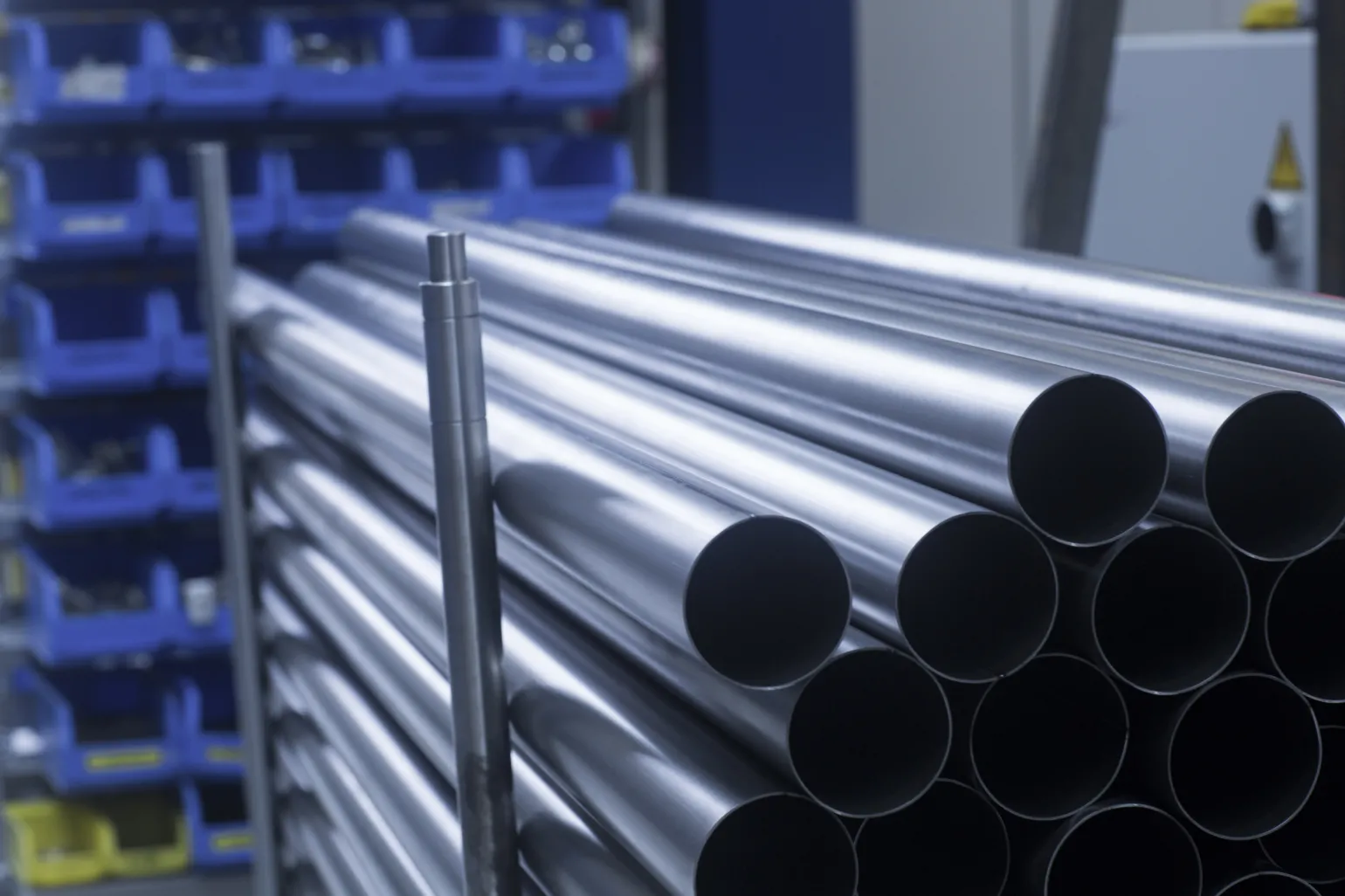


What Are Non-Ferrous Metals?

Non-ferrous metals are the other half of the equation - any metal without iron in its composition. No iron means no rust in the traditional sense, no magnetism, and often (though not always) a lighter material overall. The IOM3 Non-Ferrous & Light Metals Group - the UK's professional body for materials science - represents just how broad and specialised this category has become as an area of engineering in its own right.

This is a much broader and more varied category than most people expect. Aluminium, copper, brass, zinc, and titanium all fall under non-ferrous, and each brings a different specialism to the table - aluminium for lightweight strength, copper for conductivity, zinc as a protective coating for ferrous metals (which is the whole basis of galvanising, incidentally). Non-ferrous metals tend to cost more than basic ferrous options, but that premium buys genuine corrosion resistance without needing a protective coating in the first place.

What Are Non-Ferrous Metals?

Non-ferrous metals are the other half of the equation - any metal without iron in its composition. No iron means no rust in the traditional sense, no magnetism, and often (though not always) a lighter material overall. The IOM3 Non-Ferrous & Light Metals Group - the UK's professional body for materials science - represents just how broad and specialised this category has become as an area of engineering in its own right.

This is a much broader and more varied category than most people expect. Aluminium, copper, brass, zinc, and titanium all fall under non-ferrous, and each brings a different specialism to the table - aluminium for lightweight strength, copper for conductivity, zinc as a protective coating for ferrous metals (which is the whole basis of galvanising, incidentally). Non-ferrous metals tend to cost more than basic ferrous options, but that premium buys genuine corrosion resistance without needing a protective coating in the first place.


Ferrous Metals: Examples and Common Uses


Mild Steel

The most widely used structural material in the UK, valued for its strength-to-cost ratio. Used in everything from universal beams and columns to hollow sections and brackets - all available cut to length with free cutting on selected products.

Galvanised Steel

Mild steel with a zinc coating applied specifically to solve the rust problem inherent to ferrous metals. Widely used for fencing, handrails, and outdoor structures - our own galvanised sheet range covers most of these applications off the shelf.

Cast Iron

Heavy, hard, and excellent under compression, though brittle under impact. Common in older pipework, manhole covers, and some architectural ironwork.


High-Yield Reinforcement Bar

A carbon steel alloy engineered for extra tensile strength, used to reinforce concrete in construction. See our reinforcement bar range.

Tool Steel

A high-carbon ferrous alloy hardened for cutting and machining tools, where edge retention matters more than corrosion resistance.

Welded Mesh and Reinforcement Mesh

Ferrous steel formed into grid patterns for reinforcement, security, and fencing. Browse welded mesh and reinforcement mesh.


Non-Ferrous Metal Examples and Common Uses


Aluminium

Lightweight, naturally corrosion-resistant, and increasingly common in modern fencing and outdoor structures. Our aluminium treadplate and aluminium fencing ranges are good examples of where this shows up in real projects - popular for anywhere a lighter, low-maintenance alternative to steel makes more sense.

Copper

An excellent conductor, used almost everywhere in wiring, plumbing, and roofing.

Brass

A copper-zinc alloy, prized for its appearance and workability in fittings, fixtures, and decorative metalwork.


Zinc

Rarely used structurally on its own, but essential as the protective coating in galvanising, where it's applied to ferrous steel to stop it rusting.

Titanium

Exceptionally strong for its weight, though its cost limits it mostly to aerospace and high-performance applications rather than general construction.


Ferrous vs Non-Ferrous: The Key Differences


Ferrous

Non-Ferrous

Contains iron

Yes

No

Rust resistance

Low, unless treated or alloyed

Naturally high

Magnetic

Usually

No

Typical weight

Heavier

Often lighter

Strength

Very strong

Strong, but varies by metal

Typical cost

Usually cheaper

Often more expensive

Common uses

Structural work, tools, reinforcement

Wiring, plumbing, roofing, lightweight fittings


Worth noting: some ferrous metals are magnetic exceptions to their own rule. Certain grades of stainless steel, for instance, aren't magnetic despite containing iron - the alloying process changes the metal's internal structure enough to suppress it. Magnetism is a useful rule of thumb for telling ferrous from non-ferrous at a glance, but it's not a guarantee either way.


How to Choose Between Ferrous and Non-Ferrous

The right choice usually comes down to what the metal actually needs to do once it's in place.


Choose Ferrous When You Need

  • Structural strength for beams, frames, or load-bearing sections
  • A cost-effective material for large-volume builds
  • Reinforcement for concrete or masonry

Choose Non-Ferrous When You Need

  • Corrosion resistance without a protective coating
  • A lightweight material that's easier to handle or transport
  • Electrical conductivity, or a non-magnetic property for specific applications

In a lot of real projects, the answer isn't either/or - it's both, used deliberately. A steel frame with aluminium cladding, or galvanised structural steel paired with copper wiring, is standard practice precisely because ferrous and non-ferrous metals are suited to different jobs within the same build.


Shop Ferrous and Non-Ferrous Options

At BM Steel, we stock a wide range of ferrous structural steel alongside non-ferrous options like aluminium, ready for nationwide delivery with free cutting available on selected products.

Browse Structural Steel | Browse Galvanised Sheet | Browse Aluminium Treadplate | Contact Us


Frequently Asked Questions


Does the zinc coating on galvanised steel make it non-ferrous?

No. Galvanising only coats the surface of the steel - the steel underneath is still iron-based, so it remains ferrous. Zinc itself is non-ferrous, but a thin protective layer of it doesn't change what the base metal is classified as, as the Galvanizers Association confirms.


Why do ferrous metals rust but non-ferrous metals don't?

It comes down to how the metal reacts with oxygen. Iron oxidises readily in the presence of moisture and air, forming iron oxide (rust). Most non-ferrous metals either don't react the same way or form a stable, protective oxide layer on their surface - aluminium is a good example. According to the Aluminium Federation, aluminium forms a natural oxide film that's self-healing if scratched, which is why it resists corrosion without needing a coating at all.


Can ferrous and non-ferrous metals be joined together safely?

Yes, but with care. Direct contact between certain ferrous and non-ferrous metals - particularly in damp or outdoor conditions - can cause galvanic corrosion, where one metal corrodes faster due to an electrochemical reaction with the other. Using compatible fixings or isolating materials between the two avoids this.


Can a metal change from ferrous to non-ferrous through alloying?

No. Alloying can dramatically change a metal's properties - stainless steel, for example, resists rust and can even lose its magnetism - but as long as iron remains part of the composition, it's still classified as ferrous. The classification is about what's in the metal, not how it behaves.


Do non-ferrous metals corrode or tarnish, even if they don't rust?

Yes, technically - "rust" specifically refers to iron oxide, so non-ferrous metals can't rust by definition, but that doesn't mean they're immune to all reaction with their environment. Copper develops a green patina over time, and brass can tarnish. The difference is that these reactions are typically slower, more stable, and often protective rather than destructive, unlike the flaking, structurally weakening corrosion iron is prone to.


Why do non-ferrous metals typically cost more than ferrous metals?

Largely down to how they're sourced and processed. According to British Geological Survey data, iron ore accounts for nearly 94% of all metal mined globally, making it abundant and relatively cheap to extract and refine - which keeps ferrous metals like steel affordable at scale. Metals like copper, aluminium, and titanium require more energy-intensive extraction and refining processes and are mined in far smaller volumes, which is reflected in the price.

Whether you're building something structural or specifying materials that need to shrug off the weather, understanding this one distinction makes every other material decision easier.


Posted by Craig Silvain
20th July 2026

Back to news