



Hardox 400 vs 450 vs 500: Which Hardox Grade Do You Need?
When steel spends its days taking a beating from rocks, gravel and heavy machinery, ordinary plate won't always cut it. That's where Hardox comes in. Designed to withstand abrasive wear, Hardox steel comes in different grades depending on the conditions it needs to handle.
But choosing between Hardox 400, 450 and 500 isn't simply a matter of picking the highest number. Understanding what those hardness ratings mean, and how they relate to the demands of your project, is the starting point for choosing the right plate.
What do hardox grades and hardness numbers mean?
Hardox is SSAB's range of abrasion-resistant steel, designed for components exposed to rubbing, scraping and repeated contact with abrasive materials. It's commonly used in equipment where ordinary steel would wear too quickly.
The numbers 400, 450 and 500 refer to nominal Brinell hardness, measured in HBW. Brinell hardness measures resistance to indentation using a tungsten carbide ball. A higher HBW value indicates harder steel, although it doesn't tell you everything about toughness or how long the material will last in service.
Hardness matters because abrasive materials gradually remove metal from exposed surfaces. Think of gravel sliding down a chute or aggregate scraping against an excavator bucket. Harder steel can resist this type of wear more effectively, potentially extending the working life of the component.
However, hardness is only part of the picture. Toughness, plate thickness and the amount of impact involved also influence how well the steel performs.
Hardox 400 VS 450 VS 500: The key differences
The main difference between Hardox grades is their specified hardness, although their toughness and fabrication characteristics also influence where they're used.
Grade
Brinell Hardness (HBW)
Typical Selection Considerations
Hardox 400
370-430
Wear-resistant components needing good toughness, bendability and weldability
Hardox 450
425-475
All-round wear applications combining abrasion resistance with fabrication requirements
Hardox 500
470-530
More severe abrasive wear, particularly where impact is limited
The figures apply to Hardox 400 plate from 4–130mm, Hardox 450 plate from 3.2–80mm and Hardox 500 plate from 4–32mm. Different hardness ranges apply to thicker Hardox 450 and 500 plates.
Hardox 400 is a practical choice where the component needs wear resistance alongside toughness and forming capability. Hardox 450 offers increased hardness while retaining useful fabrication properties, making it a popular option for general wear parts and liners.
Hardox 500 has a higher nominal hardness and is commonly selected for applications involving severe abrasion, such as replaceable liners and wear bars. Where a component also takes substantial impact or forms part of the equipment's load-bearing structure, toughness and structural requirements become particularly important.
Which hardox grade suits your application?
The best grade depends on how the material wears in service. An abrasive surface sliding across steel creates different demands from heavy material repeatedly striking it.
In chutes, hoppers and conveyor systems, sand, gravel and aggregate can gradually wear away the surface as they move. Higher-hardness grades such as Hardox 450 or 500 may be useful here, depending on the severity of abrasion, plate thickness and the amount of impact involved.
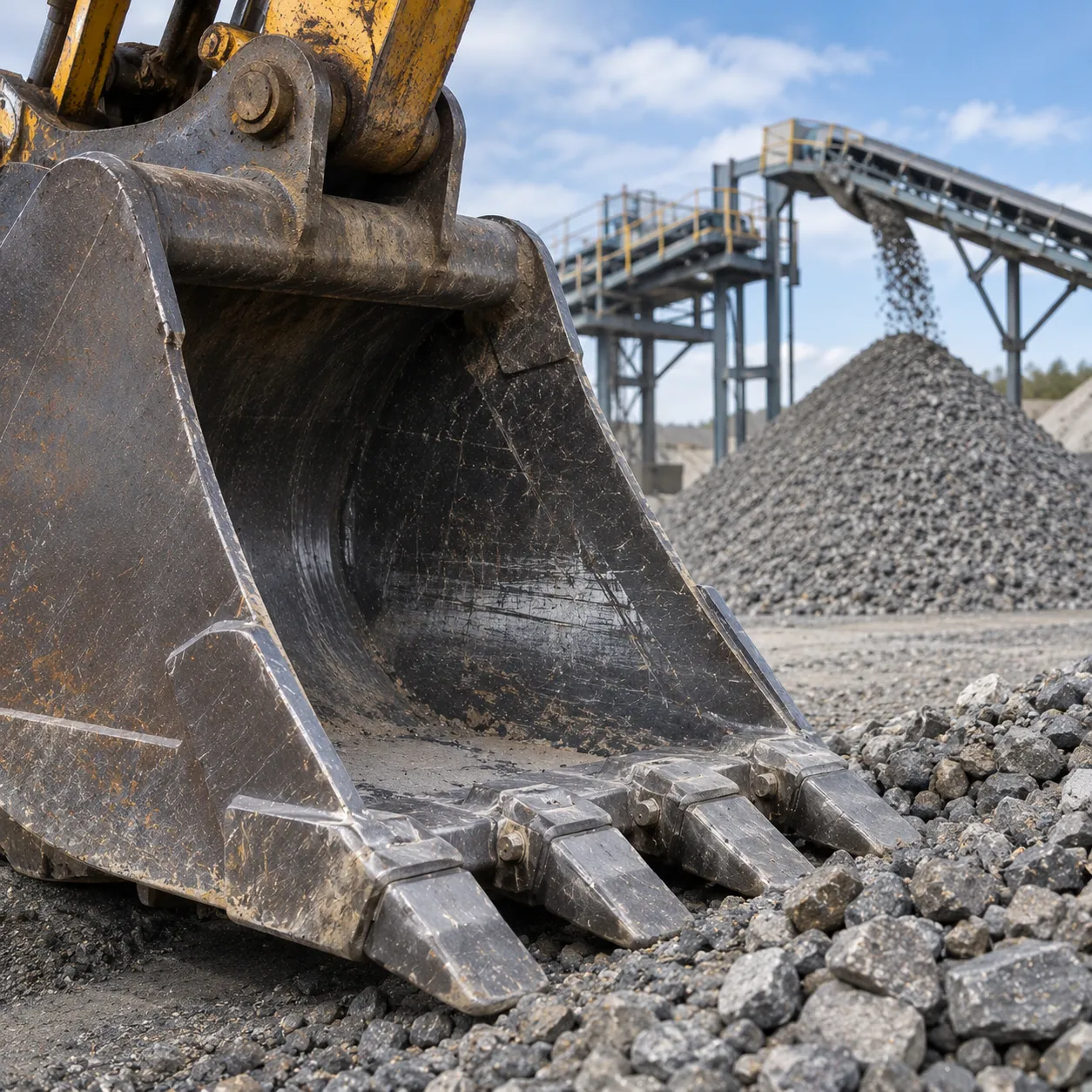
Excavator buckets and other earthmoving equipment present a different challenge. Their liners, cutting areas and supporting components can experience both abrasion and repeated impact. The selected plate needs enough wear resistance for the material being handled, alongside suitable toughness for the forces involved.
Hardox is also used in recycling machinery, agricultural equipment and replaceable wear parts where frequent rubbing or contact causes ordinary steel to deteriorate.
A liner that's bolted into place and mainly exposed to sliding abrasion may have different requirements from a welded component that also supports loads. This is why the hardest grade isn't automatically the best choice for every part of the same machine
Cutting, welding and bending hardox plate
Choosing a wear plate isn't only about how long it lasts in service. It also needs to be cut, shaped and fitted into the equipment, and that's where the grade and thickness can make a difference.
Hardox 400, 450 and 500 can all be fabricated using suitable equipment and procedures. However, the preparation and processing requirements depend on the material and the work involved.
Drilling and machining Hardox can require suitable carbide tooling and carefully selected cutting speeds, while thermal cutting and welding need procedures appropriate to the grade and thickness. Welding also calls for suitable consumables and temperature control to protect the properties of the steel and the finished joint.
Bending requires particular care. The minimum bend radius, tooling and rolling direction can all affect the result, with recommendations varying between Hardox grades and plate thicknesses. A plate that offers excellent abrasion resistance still needs to be practical to manufacture into the required part.
What to check before ordering Hardox plate
Once you've identified a suitable grade, the next step is making sure the plate meets the component's specification. Getting the hardness right is important, but ordering the wrong thickness or dimensions can make an otherwise suitable material difficult to use.
Before ordering, check:
- Hardox grade: Confirm whether the specification calls for Hardox 400, 450, 500 or another product, such as Hardox 500 Tuf.
- Plate thickness: Check the required thickness against the component design and expected wear conditions.
- Dimensions: Confirm the plate size and any cutting allowances needed for fabrication.
- Fabrication requirements: Consider whether the plate needs drilling, bending, welding or other processing.
- Material certification: Check the relevant manufacturer specification and any certification requirements for the finished component.
Replacing an existing wear part deserves particular attention. Even if a higher-hardness grade looks like an improvement, changing the material may affect fabrication, toughness or how the component performs under load.
Where equipment has a specified wear-plate grade, any proposed substitution should be checked against the original requirements before ordering.