Steel Sheet vs Steel Plate: What's the Difference?
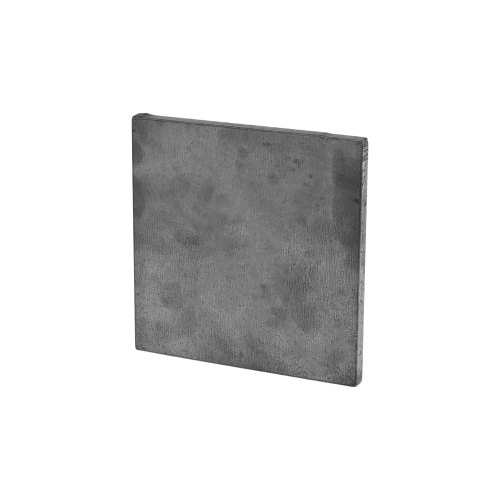
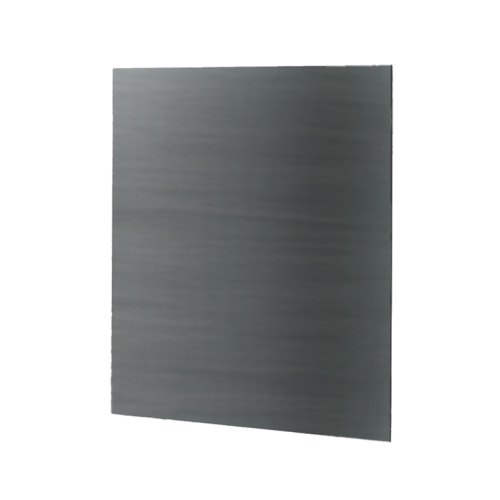
The difference between steel sheet and steel plate comes down mainly to thickness. As a rule of thumb, steel under 6mm thick is generally called sheet, and steel 6mm or thicker is called plate. It's not a hard scientific boundary, more an industry convention that's stuck because it roughly lines up with where manufacturing processes, and the jobs each product is suited to, start to diverge.
There's no single, universally enforced number. Some standards and suppliers put the line at 3mm rather than 6mm, and thickness between the two is sometimes described as heavy sheet or light plate depending on who you ask. What actually separates the two products in practice is less a strict cutoff and more a combination of thickness, how it's manufactured, and what it's sold as. Steel between roughly 3mm and 6mm is where you'll see the most overlap and the most inconsistent labelling, and it's worth checking a supplier's actual product range rather than assuming a single figure settles it.
Part of the confusion is that sheet and plate get used loosely in everyday trade conversation to mean flat steel in general, much like people say tissue for any brand of paper tissue. On a spec sheet or an order form, though, the distinction matters: sheet and plate are cut, formed and priced differently, and asking for the wrong one can mean the wrong lead time as much as the wrong thickness.