Hot Rolled vs Cold Rolled Steel: What's the Difference?

Steel is available in a variety of finishes, grades, shapes and specifications, making it one of the world’s most versatile alloys. One of the most common questions when selecting steel products is the difference between hot-rolled steel vs cold-rolled steel. While both materials originate from the same manufacturing process, their production methods, surface finish, tolerances and applications differ significantly.

Read on to learn more about this distinction among BM Steel’s high-quality re-rolled products and make an informed decision for your project.


What is hot-rolled steel?

To put it simply, hot rolled steel is steel that has been roll-pressed at temperatures higher than 927°C (1,700°F). Because this temperature exceeds the steel's recrystallisation point, the material becomes easier to shape and form into structural products.

Hot rolled steel is produced by heating and flattening a large rectangular length of steel (a billet) before passing it through a series of rollers. As the steel cools, slight shrinkage occurs, making hot rolled steel suitable for applications where extremely tight tolerances are not required.

What is hot-rolled steel?

To put it simply, hot rolled steel is steel that has been roll-pressed at temperatures higher than 927°C (1,700°F). Because this temperature exceeds the steel's recrystallisation point, the material becomes easier to shape and form into structural products.

Hot rolled steel is produced by heating and flattening a large rectangular length of steel (a billet) before passing it through a series of rollers. As the steel cools, slight shrinkage occurs, making hot rolled steel suitable for applications where extremely tight tolerances are not required.


Characteristics of hot-rolled steel

The characteristics of each type are an important factor in understanding hot-rolled steel vs cold-rolled steel. Hot-rolled steel has the following characteristics:

  • A scaled surface due to cooling from extremely high temperatures
  • Slight distortions due to cooling
  • Bar and hot rolled plate products have slightly rounded edges due to shrinkage
  • Normalised – free from internal stresses associated with quenching or work-hardening processes
  • Good malleability
  • Enhanced ductility and toughness

Hot-rolled steel uses

Hot-rolled steel is an excellent choice for a wide variety of applications that do not require precise tolerances and shapes. Some of the many uses for steel that has been hot-rolled include:

  • Agricultural equipment
  • Automotive frames
  • Metal buildings
  • Stampings
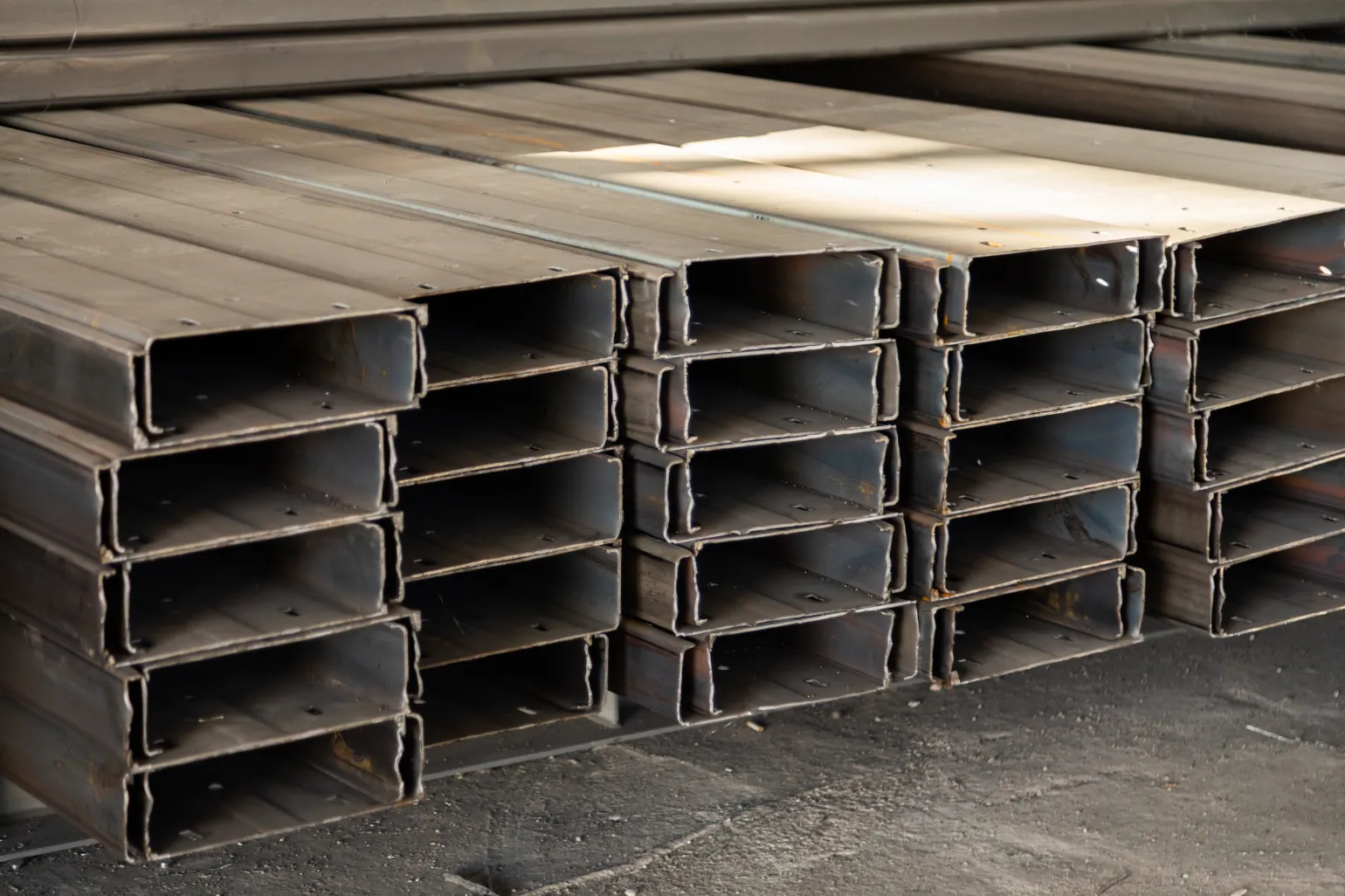
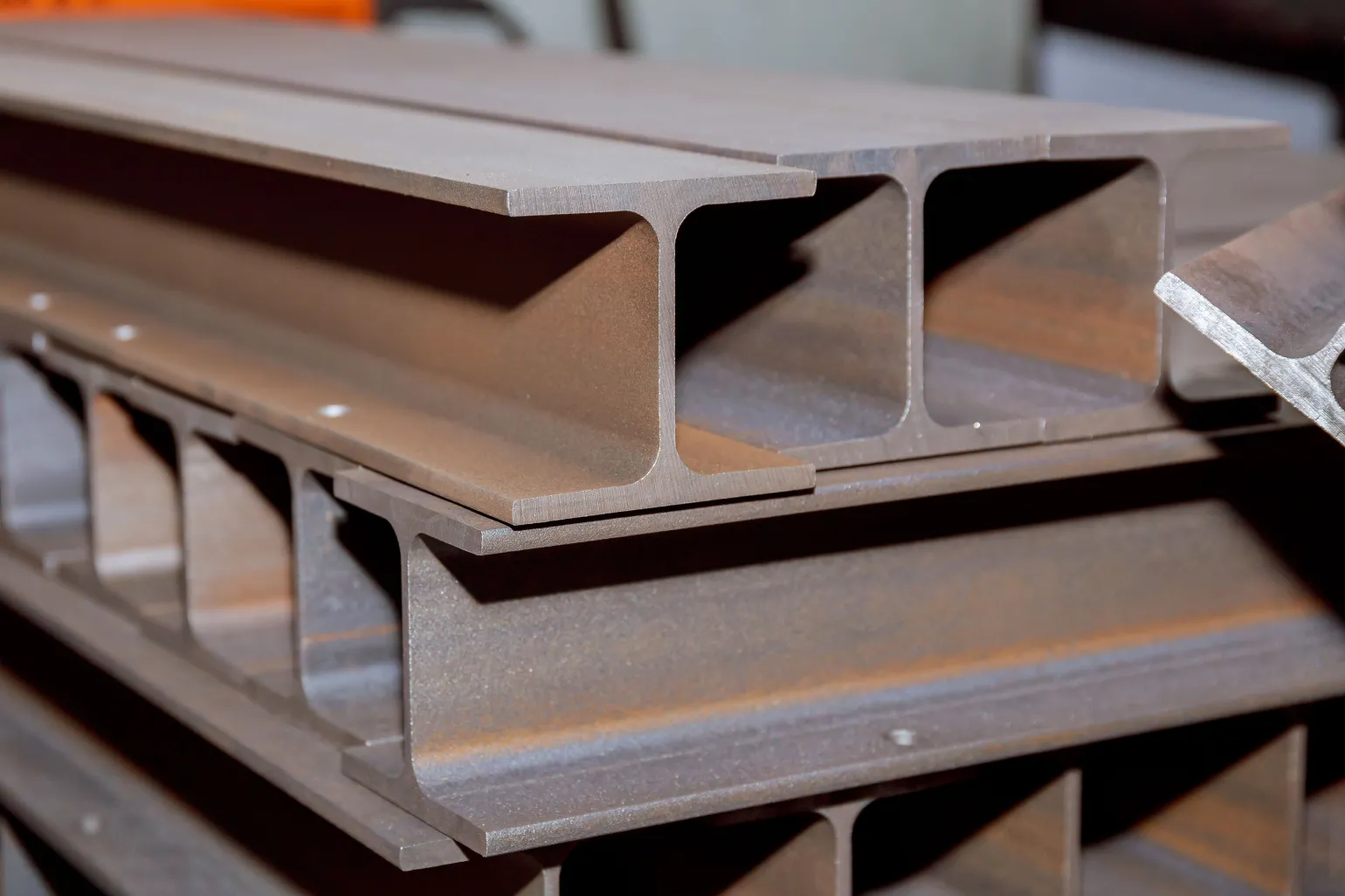
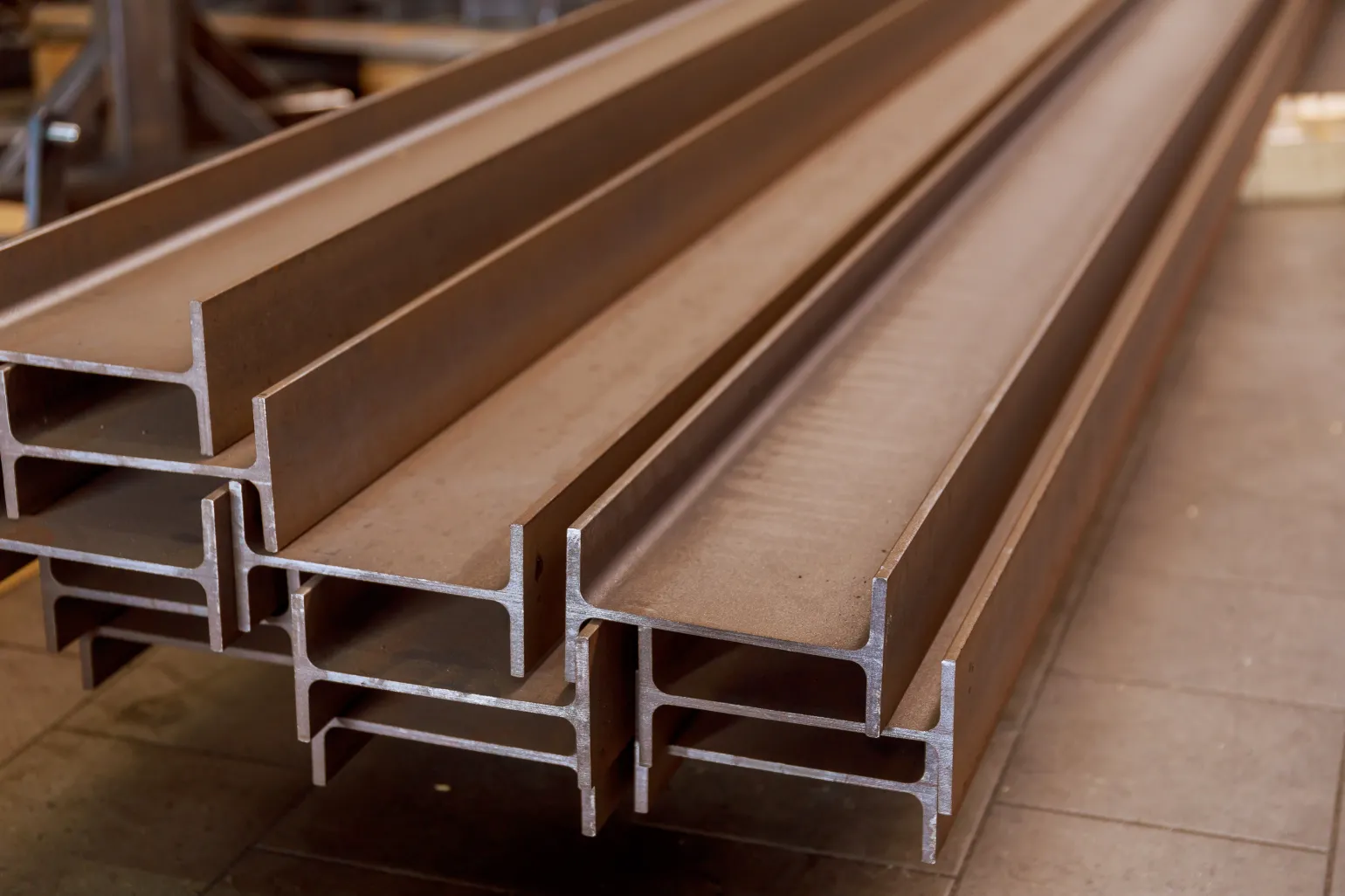
  • Structural components such as I-beams, sheet metal, and railway tracks


Hot-rolled steel types

There are three main types of hot-rolled steel. These types include:


	Low-carbon or mild steel with 0.3 % or less carbon by volume
	Medium-carbon steel with between 0.3% and 0.6% carbon by volume
	High-carbon steel with more than 0.6% carbon by volume

Hot-rolled steel types

There are three main types of hot-rolled steel. These types include:


  • Low-carbon or mild steel with 0.3 % or less carbon by volume
  • Medium-carbon steel with between 0.3% and 0.6% carbon by volume
  • High-carbon steel with more than 0.6% carbon by volume


Hot rolled steel advantages and disadvantages

As mentioned, hot-rolled steel has a number of advantages and disadvantages.

The advantages include:

  • Simple production process
  • Better malleability
  • Free from internal stresses
  • Used to produce popular shapes
  • More affordable than cold-rolled steel

The disadvantages include:

  • Rough surface texture that must be removed and buffed before painting
  • Slight distortions and dimensional imperfections


What is cold-rolled steel?

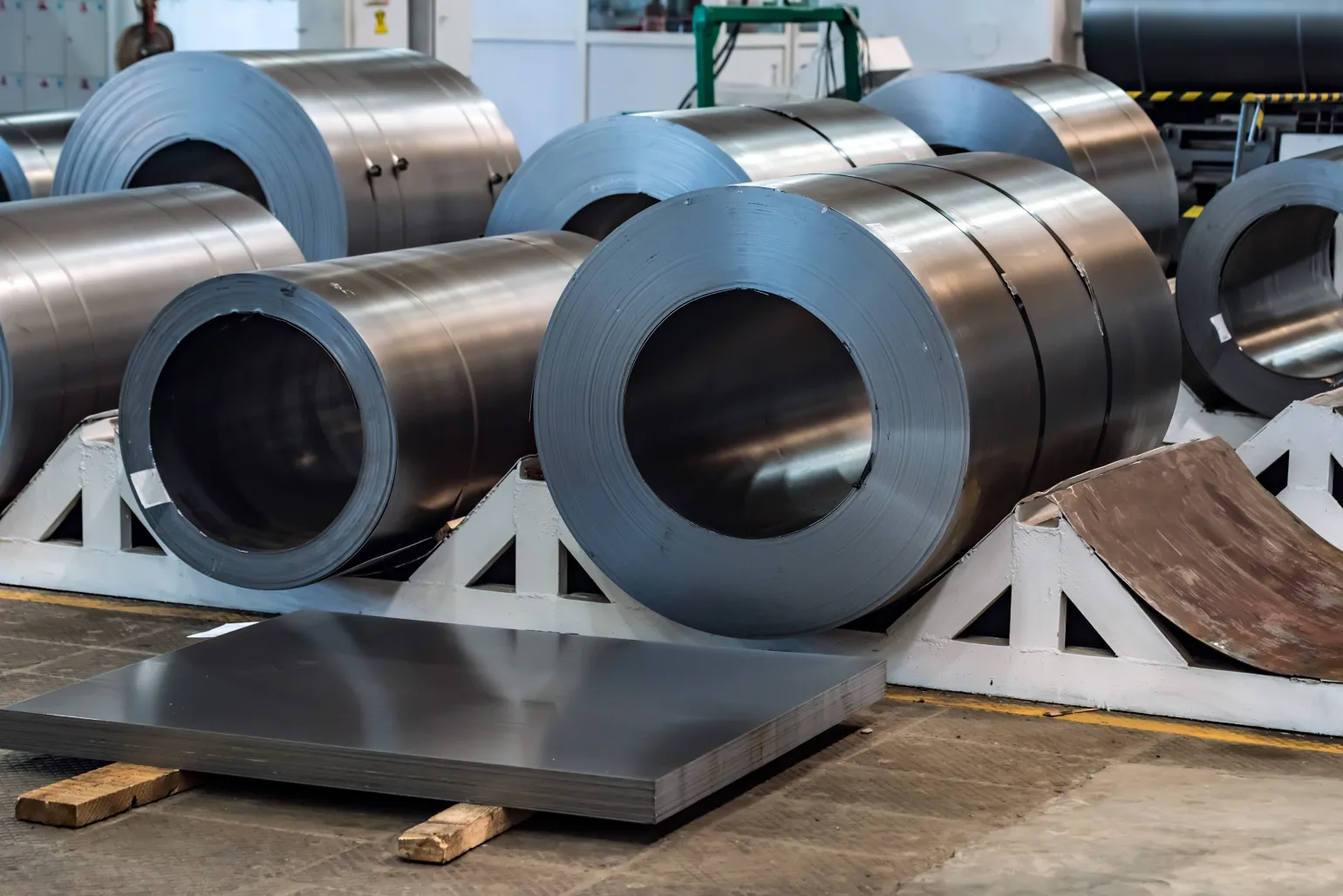
Cold-rolled steel is hot-rolled steel that undergoes additional processing. Once cooled, it is re-rolled at room temperature to improve dimensional accuracy, surface finish and overall consistency.

While the term is often used broadly, cold-rolled steel most accurately refers to sheet products compressed between rollers. Bars and tubes that undergo a similar process are generally referred to as cold-drawn steel.

What is cold-rolled steel?

Cold-rolled steel is hot-rolled steel that undergoes additional processing. Once cooled, it is re-rolled at room temperature to improve dimensional accuracy, surface finish and overall consistency.

While the term is often used broadly, cold-rolled steel most accurately refers to sheet products compressed between rollers. Bars and tubes that undergo a similar process are generally referred to as cold-drawn steel.


Characteristics of cold-rolled steel

As with steel that has been hot rolled, the characteristics of cold-rolled steel are an important factor in understanding hot-rolled steel vs cold-rolled steel. The characteristics of steel that has been cold rolled include:

  • A smooth surface that’s often oily to the touch
  • Surfaces with better finishing and closer tolerances
  • Bars have well-defined corners and edges
  • Tubes have greater straightness and concentric uniformity

Uses of cold-rolled steel

Cold-rolled steel is the best choice for applications with specific concentricity, straightness, surface conditions, and tolerances. Some common applications include:

  • Aerospace structural components
  • Automotive parts
  • Home appliances
  • Metal furniture
  • Visually appealing surfaces


Cold-rolled steel types

There are four main cold-rolled steel types. These include:


	Commercial steel
	Drawing steel
	Extra deep drawing steel
	Extra deep drawing steel plus.


Of these, drawing steels are the most ductile.

Cold-rolled steel types

There are four main cold-rolled steel types. These include:


  • Commercial steel
  • Drawing steel
  • Extra deep drawing steel
  • Extra deep drawing steel plus.

Of these, drawing steels are the most ductile.


Cold Rolled Steel Advantages and Disadvantages

As mentioned, cold-rolled steel has a number of advantages and disadvantages.

The advantages include:

  • Consistent, straight, and accurate shapes
  • Smoother, shinier surface
  • Extensive range of surface finishes

The disadvantages include:

  • Fewer steel structural shapes available
  • Additional processing can create internal stresses that could lead to warping
  • More expensive than hot-rolled steel


Hot rolled vs cold rolled steel: which should you choose?

When weighing up cold-rolled vs hot-rolled steel, the best choice for your project depends on the project itself. Hot-rolled steel is ideal if you’re looking for good malleability and your project doesn’t require precise dimensions. However, cold-rolled steel is best if you’re looking for steel products with precise dimensions and a beautiful surface.

Find all the steel products you need at BM Steel.


Frequently Asked Qustions


What is the difference between hot rolled steel and cold rolled steel?

The main difference between hot rolled steel and cold rolled steel is the manufacturing process. Hot rolled steel is formed at high temperatures above the steel's recrystallisation point, while cold rolled steel undergoes additional processing at room temperature. As a result, cold rolled steel offers tighter tolerances and a smoother finish, whereas hot rolled steel is typically more cost-effective and suitable for structural applications.


Is cold rolled steel stronger than hot rolled steel?

Cold rolled steel is generally stronger than hot rolled steel due to the additional processing it undergoes. The cold rolling process increases the material's strength and hardness, making it suitable for applications requiring precise dimensions and improved surface quality.


When should I choose hot rolled steel?

Hot rolled steel is often the preferred choice for structural and industrial applications where tight dimensional tolerances are not essential. It is commonly used for steel beams, plate, railway tracks, agricultural equipment and construction projects because of its affordability, malleability and durability.


When should I choose cold rolled steel?

Cold rolled steel is ideal for projects requiring accurate dimensions, a smooth surface finish and enhanced appearance. It is frequently used in automotive components, appliances, furniture and other applications where precision is important.


Is hot rolled steel cheaper than cold rolled steel?

Yes. Hot rolled steel is usually less expensive than cold rolled steel because it requires fewer processing stages during manufacture. Cold rolled steel undergoes additional rolling and finishing processes, which increase production costs but provide greater dimensional accuracy and a superior surface finish.


Can hot rolled steel and cold rolled steel be used for the same applications?

In some cases, yes. However, the choice between hot rolled steel vs cold rolled steel depends on the project's requirements. Hot rolled steel is generally preferred for structural applications, while cold rolled steel is better suited to projects where appearance, precision and surface quality are important considerations.


Posted by Craig Silvain
27th November 2023

Back to news