



Mild Steel EN Grades: What Do the Numbers Mean?
An EN grade is a steel specification from BS 970, the British Standard that's classified engineering steel by composition and strength since the 1940s. "EN" originally stood for "Emergency Number," a designation system developed during the Second World War to standardise steel specifications and speed up the selection of materials for manufacturing components like guns and aircraft parts. Mild steel EN grades like EN8, EN1A and EN24 are still used constantly in the trade today, even though the formal numbering has technically moved on since.
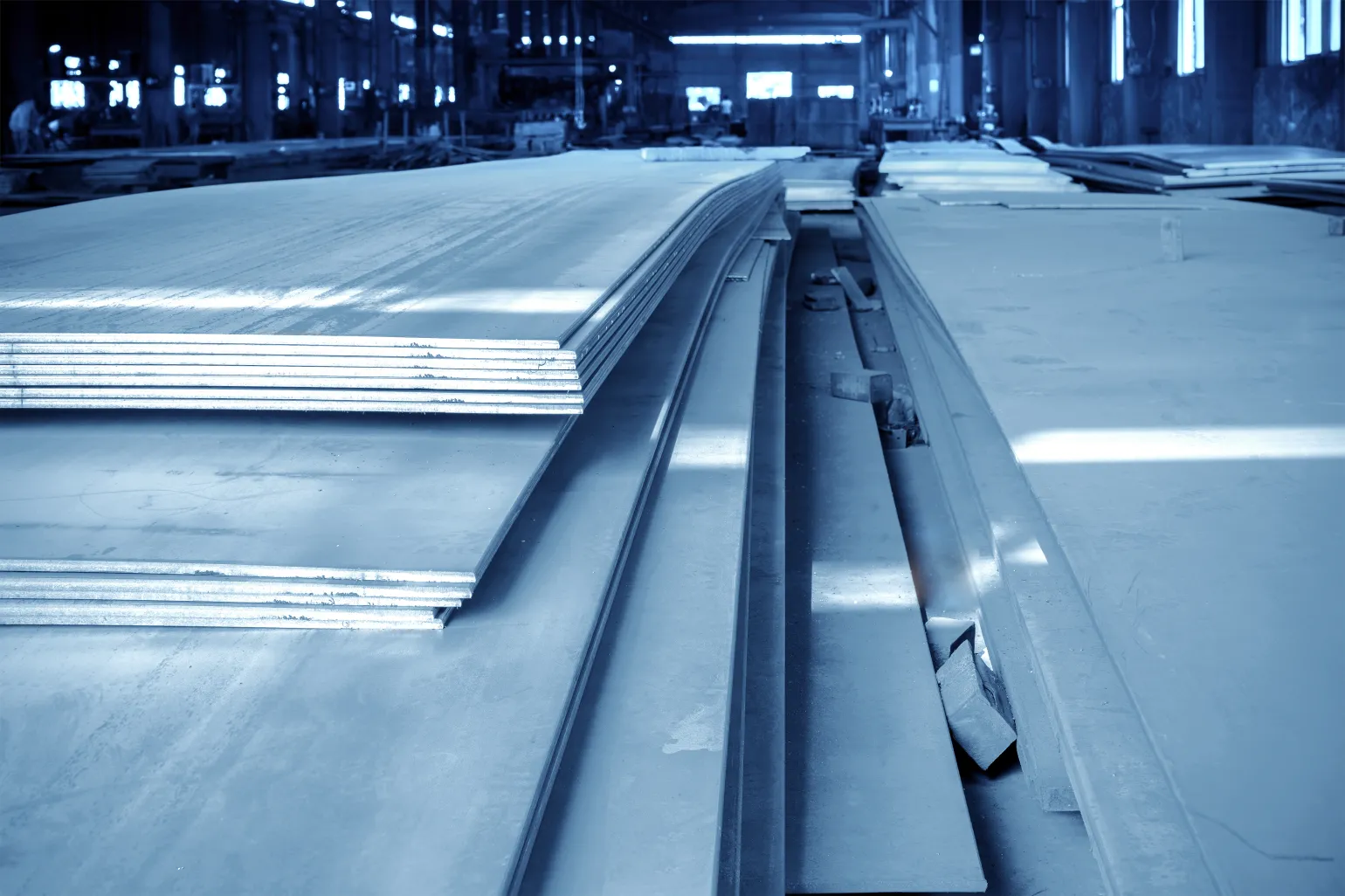
Where the EN System Comes From and Why It's Still Used
Understanding engineering steel grades starts with knowing where the EN system came from. The original EN designation system was introduced during the Second World War as a way to bring order to Britain's steel specifications and make sure manufacturers across the country were working to consistent, comparable standards. BS 970 was revised in 1955 to bring together close to 200 steel grades, with letters added as sub-categories of existing grades, which is where designations like EN1A and EN3B come from.
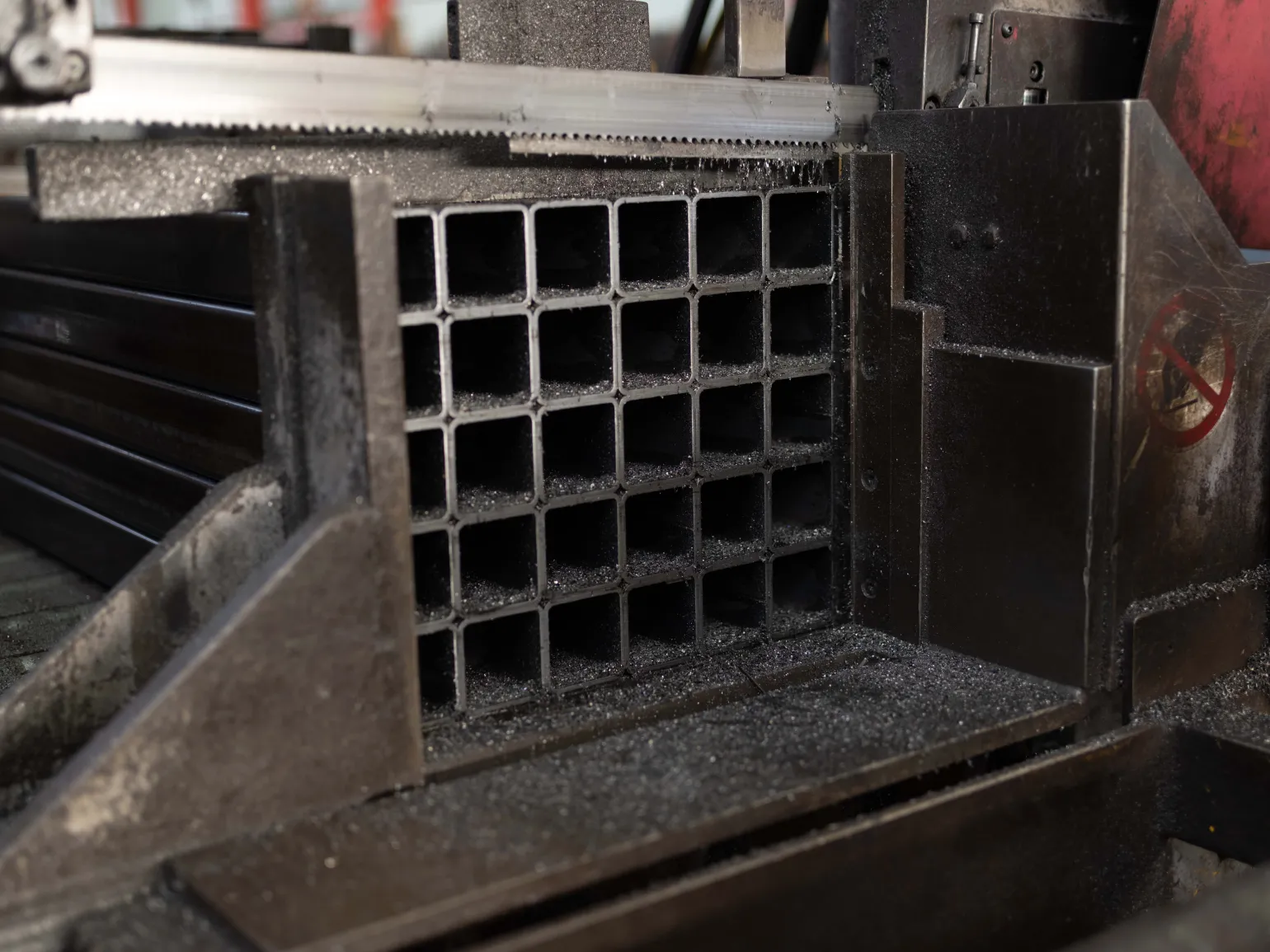
By 1970, the old EN numbers were formally replaced with a new coding system built around composition rather than a simple sequential number, so EN8 officially became 080M40, EN24 became 817M40, and so on. In practice, the old EN names never really went away. Suppliers, fabricators and engineers still ask for "EN8" or "EN24" out of habit and clarity, so both the old EN number and the modern equivalent tend to appear side by side on spec sheets and product listings, including BM Steel's own. For the fundamentals of mild steel itself, composition, general properties, and the structural S-grades, see our guide to what mild steel is; this piece focuses specifically on decoding the EN system.

