Does Galvanised Steel Rust? A Complete Guide

Galvanised steel has a reputation for standing up to the weather better than almost anything else on the yard. From structural beams to fence posts, it's the default choice whenever steel needs to survive outdoors for years without much attention.

So can galvanised steel actually rust? Yes - but only once the zinc coating protecting it has been worn through or damaged, not through normal weathering alone, and under typical UK outdoor conditions that takes decades, often 70-plus years. What it isn't, despite the marketing, is rust-proof: galvanising makes steel rust-resistant, not permanently immune, and understanding that gap is the key to specifying it correctly.


How Galvanising Actually Protects Steel

Galvanising coats steel in zinc, most commonly through hot-dip galvanising, where steel is fully submerged in a bath of molten zinc to form a thick, tightly bonded coating. It's the industry standard for structural sections, sheet, and anything destined for outdoor use.

Hot-dip isn't the only way to galvanise steel, though it's the standard for anything structural or exposed. Electro-galvanising applies a thinner coating using an electric current, while zinc spraying (metallising) is typically reserved for repairs - neither holds up as well for exposed or structural applications. The zinc coating works in two ways:

  • Barrier protection - it physically seals the steel away from the moisture and oxygen that rust needs to form.
  • Sacrificial protection - zinc sits higher than steel in the galvanic series, meaning if the coating is scratched or damaged, the surrounding zinc corrodes before the exposed steel does. A small scuff doesn't turn into rust overnight; the zinc takes the hit on the steel's behalf.

That second mechanism is why galvanised steel tolerates minor damage so much better than a plain paint coating, which offers no such backup once it's breached
How Long Does the Protection Actually Last?

Industry testing measures this using Time to First Maintenance (TFM) - the point at which around 5% of the zinc coating has worn away and rust starts appearing on the steel underneath.

TFM scales with environment:

  • Dry, rural settings: often 100+ years.
  • Typical UK outdoor conditions: several decades before any attention is needed.
  • Humid, coastal, or heavy industrial environments: shorter, but properly coated structural steel still commonly delivers 70+ years even in the harshest atmospheric conditions on record.

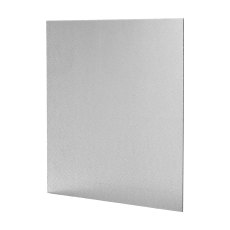
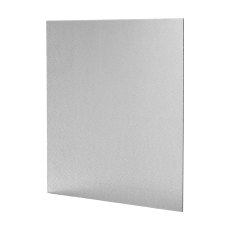
A standard 6mm hot-dip galvanised sheet typically carries a zinc coating around 85 microns thick - well beyond what's needed for the vast majority of UK construction, agricultural, and outdoor projects.


What Actually Causes the Coating to Fail

Galvanised steel doesn't rust spontaneously - something has to compromise the zinc first. The main culprits, and what they look like:

  • Mechanical damage (scratches, drilling, welding) - cuts straight through the coating, exposing bare steel at that exact point.
  • Cut edges - any edge cut on site after galvanising has no coating on it at all, and needs treating separately with a zinc-rich cold galvanising spray.
  • Trapped moisture during storage - stacking damp sheets together with no airflow is the single biggest cause of white rust, a chalky white deposit (zinc hydroxide) that forms where moisture sits against the zinc surface. It's usually cosmetic and can be brushed off if caught early, but left untreated it eats into the coating.
  • Contact with dissimilar metals - can trigger galvanic corrosion, accelerating zinc wear at the contact point.

Day-to-day weathering, by contrast, just dulls the shiny zinc finish to a matte grey - that's normal and nothing to worry about. Red-brown rust spots are the one sign that means the coating has actually been breached and needs attention.


Protecting Your Investment

Most of this comes down to preventing the causes above from ever getting the chance to do damage. Storage is where it starts: keep steel off the ground, in a dry, ventilated space, rather than sealed away or stacked flat against itself. Stacking with spacers, or at a slight angle, gives any moisture somewhere to drain rather than pooling between sheets - the exact conditions white rust needs to take hold.

On site, the moment steel gets cut or drilled is the moment it's briefly unprotected, so treat those edges and holes before they're left exposed to the weather rather than after. It's also worth keeping galvanised steel away from dissimilar metals where practical, since contact between the two can accelerate wear on the coating through galvanic corrosion. If you're working somewhere coastal or heavily industrial, a barrier or water-repellent top coat gives the zinc a bit of extra margin against tougher conditions.

None of this replaces the simplest habit of all: checking in on the steel now and then, especially in the first couple of years after installation. Catching red rust early keeps a small repair small - and that's really what all of the above is in service of.


Galvanised Steel vs Other Corrosion-Resistant Options

It’s worth knowing how galvanising stacks up against the alternatives:

  • Primer-painted steel protects the surface, but once the paint is scratched there's no sacrificial backup - exposed steel starts corroding immediately. It suits internal or lower-risk applications well; our primer-painted universal beams and columns combine a protective base with the option to top-coat.
  • Stainless steel outperforms galvanised in aggressive chemical environments, but at a significant cost premium most standard projects don't need to pay.
  • Uncoated (black) steel is the cheapest option but offers no corrosion protection at all - fine for short-term, indoor, or later-coated applications, but not for anything left outdoors.

For most structural, agricultural, and outdoor work, galvanised steel remains the best balance of durability, low maintenance, and total cost of ownership.


When Galvanised Steel Is the Right Choice

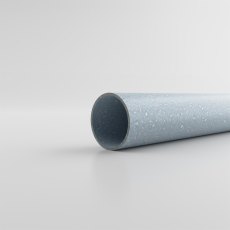
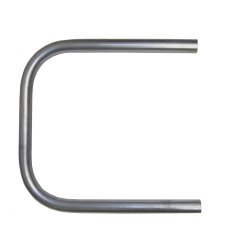
Galvanised steel comes into its own on anything built to be left alone outdoors. Structural work is a good example - universal beams and universal columns get specified in galvanised finish so nobody's back up a ladder repainting them a few years later. The same goes for handrail tubes and palisade fencing — anything acting as a safety barrier needs to hold up in all weathers without regular attention.

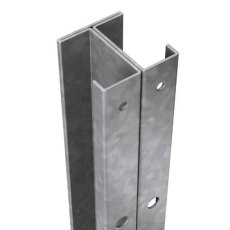
It's just as useful closer to home. Our galvanised fence posts are a genuine low-maintenance alternative to timber or concrete for garden and landscaping projects, and the same logic applies to agricultural buildings and other outdoor structures that don't get checked on often - low-maintenance stops being a nice-to-have and becomes essential. Roofing and cladding jobs follow the same pattern, which is where our galvanised sheet range comes in.

If a project needs steel that can be left to its own devices for decades, galvanised is usually the stronger long-term investment - even at a higher price upfront. It earns that reputation for a reason: with sensible storage, the right fixings, and the occasional touch-up on cut edges, it'll outlast most alternatives without asking much of you in return.


Shop Our Galvanised Steel Range

At BM Steel, we stock a wide range of galvanised sections, sheets, and tubes ready for nationwide delivery, with cutting available on selected products.


Galvanised Steel Frequently Asked Questions


How much more expensive is galvanised steel than uncoated steel?

It varies - and the gap is often smaller than people expect. Galvanising adds a processing cost, but depending on current material prices, product type, and gauge, galvanised and uncoated sheet can end up priced very closely, sometimes within a few percent of each other. It's worth comparing like-for-like sizes on our galvanised sheet and cold reduced sheet ranges directly, since steel pricing shifts with raw material costs. Given the extended maintenance-free lifespan galvanising provides, it's rarely the more expensive choice once you factor in total cost of ownership.


Do I need special screws or fixings for galvanised steel?

Yes, ideally. Using fixings made from a compatible metal - typically galvanised, stainless steel, or zinc-plated fasteners - avoids triggering galvanic corrosion at the contact point. Mixing galvanised steel with untreated mild steel fixings can create a weak point that corrodes faster than the surrounding material.


How do I know what coating thickness my galvanised steel has?

UK suppliers galvanise to BS EN ISO 1461, which sets minimum coating thickness based on the steel's own thickness - thicker steel gets a thicker zinc coating. If you need a specific coating class for a spec or certification, ask your supplier for the mill certificate or coating report at time of order.


Is it safe to cut or weld galvanised steel indoors?

Not without precautions. Cutting, grinding, or welding galvanised steel releases zinc oxide fumes, which are harmful to breathe in enclosed or poorly ventilated spaces. Always work outdoors or with proper extraction and respiratory protection, and treat the exposed edge afterwards to restore corrosion protection.


Can galvanised steel be recycled?

Yes. Galvanised steel is fully recyclable, and the zinc coating doesn't need to be removed before recycling - it's simply separated out during the process. This makes it a genuinely sustainable long-term material choice, not just a durable one.


What's the difference between galvanised and galvannealed steel?

Galvannealed steel goes through an extra annealing step after galvanising, which alloys the zinc coating into the steel surface. This gives a matte, paintable finish that's better suited to painted end products, but it's slightly less corrosion-resistant than standard hot-dip galvanised steel - so it's a different trade-off, not simply an upgrade.


Posted by Craig Silvain
5th August 2026

Back to news