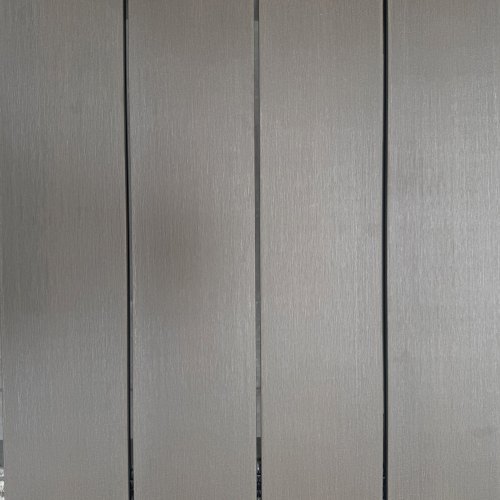
How to Clean Composite Decking & Keep it Looking its Best

Composite decking needs less maintenance than traditional timber, but dirt, leaves and outdoor use can still leave the boards looking worn. Regular cleaning helps prevent build-up and keeps the surface looking its best throughout the year.

The best way to clean composite decking is usually with warm soapy water, a suitable soft-bristled brush and a thorough rinse. Some stains may need a specialist cleaner, depending on the board's finish.

In this guide, we’ll tell you everything there is to know about how to clean composite decking to make it look brand new again.


What do you need to clean composite decking?

Cleaning composite decking doesn't require specialist equipment. A soft-bristled broom, bucket, soft scrubbing brush and garden hose are usually enough for routine maintenance.

Before starting, remove furniture and plant pots so you can reach the entire surface. Avoid wire brushes, sharp scrapers or other abrasive tools that could scratch or damage the boards.
 

For everyday dirt, mild washing-up liquid mixed with warm water is usually the best place to start. It lifts general grime without the need for stronger cleaning chemicals.

For stubborn grease, algae or ingrained stains, a specialist composite decking cleaner may be more effective. The right product depends on the board's material and surface finish, as some cleaners aren't suitable for every type of composite decking.

Always check the manufacturer's recommendations before applying a cleaner, particularly to capped boards. Test specialist products on a small, inconspicuous area and follow the instructions for dilution and rinsing.


How to clean composite decking

Cleaning composite decking boards is straightforward when you use the right equipment and work through the surface in sections. Keeping the gaps between boards clear is also important for drainage, particularly where leaves and debris collect around the fixings used when fitting composite decking.


	Remove all outdoor furniture from your deck. Once the area is clear, prepare your decking by giving it a good sweep and removing any leaves, dirt, or debris.
	Prepare your cleaning solution. Mix a small amount of mild washing-up liquid with warm water, following the decking manufacturer's guidance. Rinse the boards with clean water to loosen surface dirt before applying the solution.
	Scrub your decking with a soft bristled brush to remove any stubborn dirt or stains and to ensure it looks spic n span. If you have stubborn stains, soak the area a bit in the soapy solution and then scrub it clean.
	Rinse your decking thoroughly with clean water to remove the cleaning solution and loosened dirt, working in smaller sections so residue doesn't dry onto the boards. Allow the decking to dry before replacing furniture.

How to clean composite decking

Cleaning composite decking boards is straightforward when you use the right equipment and work through the surface in sections. Keeping the gaps between boards clear is also important for drainage, particularly where leaves and debris collect around the fixings used when fitting composite decking.

  1. Remove all outdoor furniture from your deck. Once the area is clear, prepare your decking by giving it a good sweep and removing any leaves, dirt, or debris.
  2. Prepare your cleaning solution. Mix a small amount of mild washing-up liquid with warm water, following the decking manufacturer's guidance. Rinse the boards with clean water to loosen surface dirt before applying the solution.
  3. Scrub your decking with a soft bristled brush to remove any stubborn dirt or stains and to ensure it looks spic n span. If you have stubborn stains, soak the area a bit in the soapy solution and then scrub it clean.
  4. Rinse your decking thoroughly with clean water to remove the cleaning solution and loosened dirt, working in smaller sections so residue doesn't dry onto the boards. Allow the decking to dry before replacing furniture.


How to pressure wash composite decking

A pressure washer can help remove stubborn dirt from some composite decking boards, but excessive pressure may damage their surface. Always check the manufacturer's cleaning instructions before using one.

For example, ScenicLiving Naturel decking guidance permits deeper cleaning at pressures not exceeding 6 bar, keeping the nozzle at a safe distance. Other composite ranges may have different limits or recommend avoiding pressure washing altogether.

Where pressure washing is permitted, use the recommended spray setting, test a small area first and avoid holding the nozzle too close to the boards. Warm soapy water and a soft brush remain the safer option for routine cleaning


How to remove stains from composite decking

Food spills, grease and other marks are easier to remove when treated promptly. Start with warm soapy water and a soft brush, working gently over the affected area before rinsing thoroughly.

For persistent stains, use a composite decking cleaner suitable for the board's surface and the type of mark. Avoid applying bleach, strong solvents or abrasive treatments unless the manufacturer specifically approves them.

Mould and algae can also develop where leaves, dirt and moisture collect. Regular sweeping and keeping drainage gaps clear help reduce the conditions that encourage this build-up.


BM Steel's Composite decking range

Regular cleaning helps keep composite decking looking its best, without the sanding, staining and painting that traditional timber often needs. If you're planning a new deck or looking to replace your existing boards, BM Steel's ScenicLiving Signature decking offers a choice of brushed and woodgrain finishes, while ScenicLiving Naturel comes in a range of colours and finishes. Both ranges feature capped composite boards designed to resist everyday staining and wear.

Explore our full composite decking range to find the right boards and accessories for your outdoor space.


FAQs


Can you jet wash composite decking?

Some composite decking can be pressure washed using a suitable nozzle, pressure setting and distance from the surface. However, not every board is designed for this method. Check the manufacturer's instructions before using a pressure washer to avoid damaging the finish


Can you clean composite decking with vinegar?

Vinegar may be suitable for certain composite products, but it shouldn't be used without checking the manufacturer's guidance. Some decking finishes require specific cleaning solutions, so warm soapy water or an approved composite decking cleaner is generally a safer starting point.


Can you use bleach to clean composite decking?

Avoid using household bleach unless the decking manufacturer specifically approves a suitable product and dilution. Strong chemicals can discolour or damage some composite surfaces, particularly protective coatings. A mild detergent or compatible decking cleaner is usually more appropriate for routine maintenance.


Can you use washing up liquid to clean composite decking?

A small amount of mild washing-up liquid mixed with warm water can be suitable for routine cleaning on many composite decking boards. Use a soft-bristled brush to lift dirt, then rinse thoroughly to prevent soap residue from remaining on the surface.


What should you not use to clean composite decking?

Avoid abrasive brushes, sharp scrapers and unsuitable chemical cleaners that could damage the boards. High-pressure washing should only be used where the manufacturer permits it, following the specified settings and nozzle distance


Posted by Killian Ward
27th June 2023

Back to news